Forest Bathing
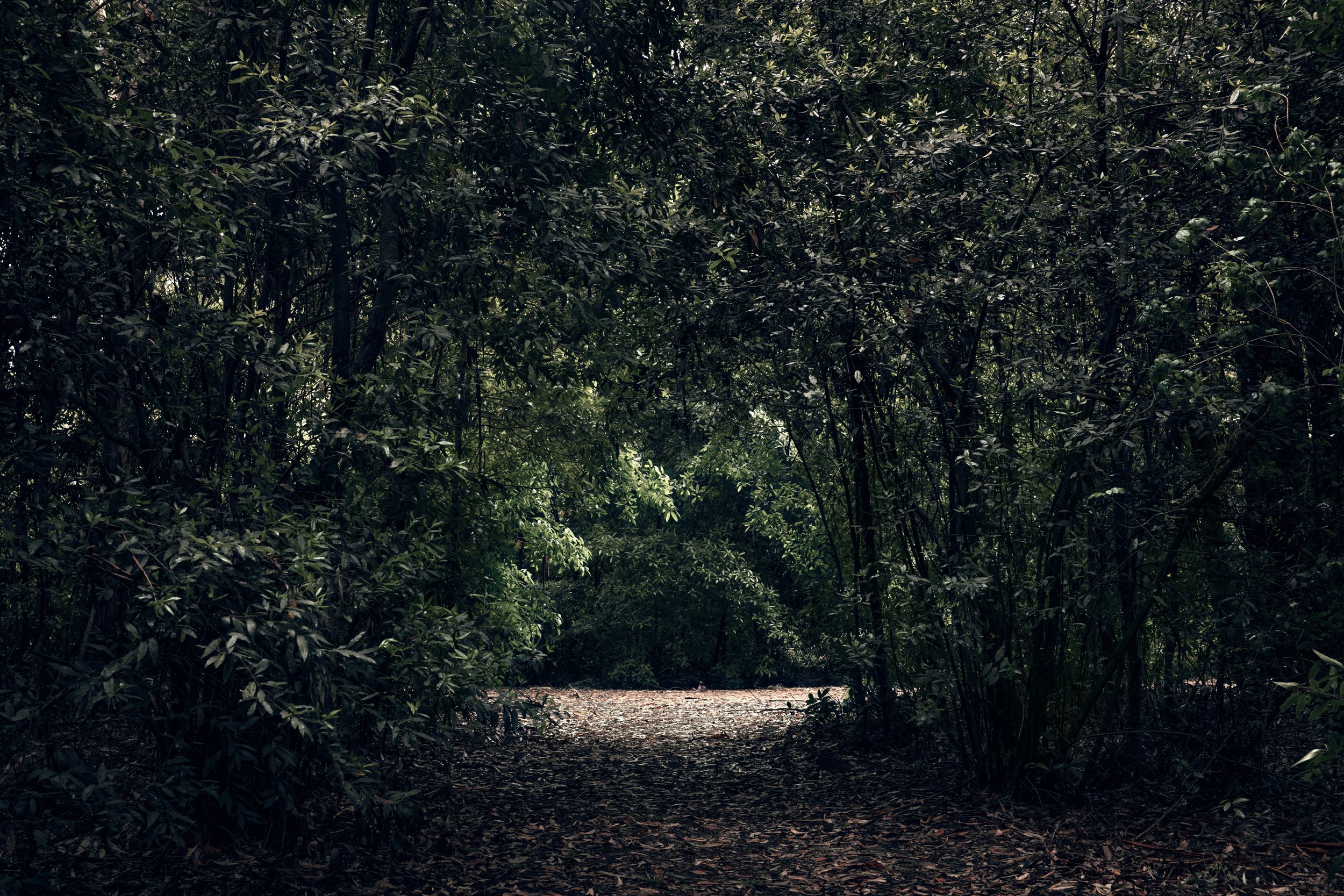
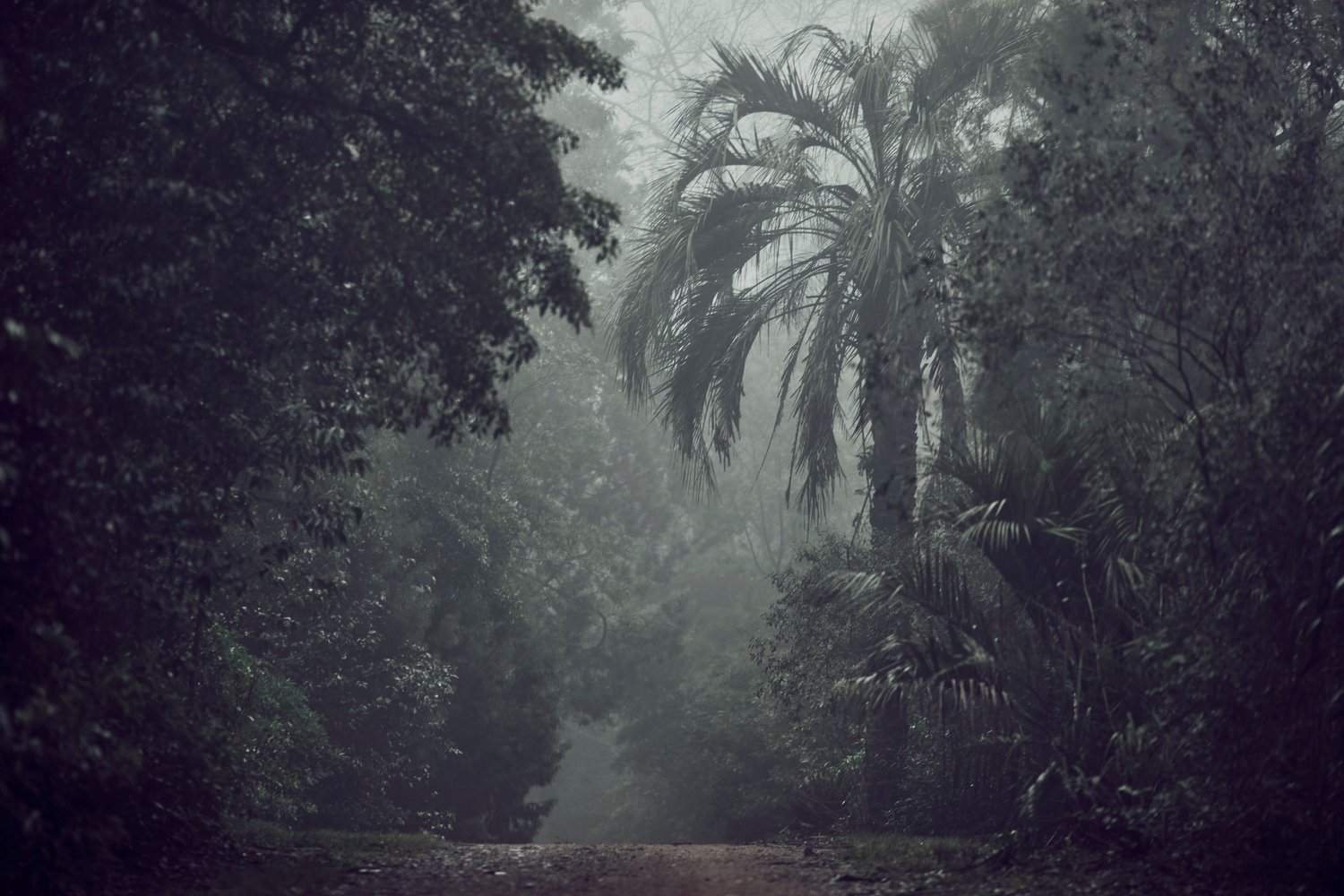
This personal project transformed the way I look at the world. Using nature as my setting, I traveled through many places in Uruguay until I stumbled upon the Lussich Arboretum.
I walked there for two years. Immersed in nature, time moves more slowly. Away from the accelerated pace of the city, I tune in more closely to my own rhythm, my breathing, my heartbeat, letting the sounds of the forest pass through me.
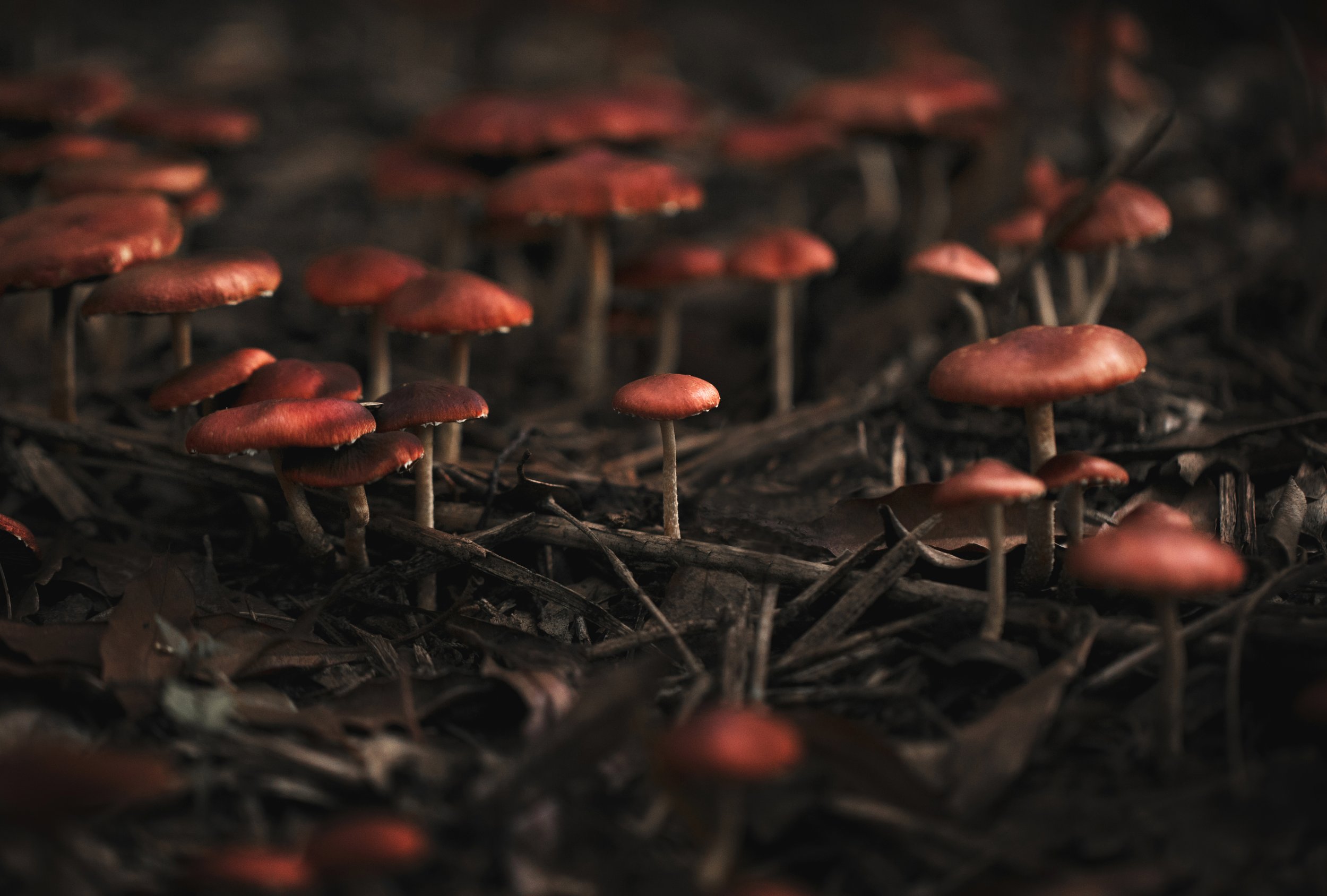
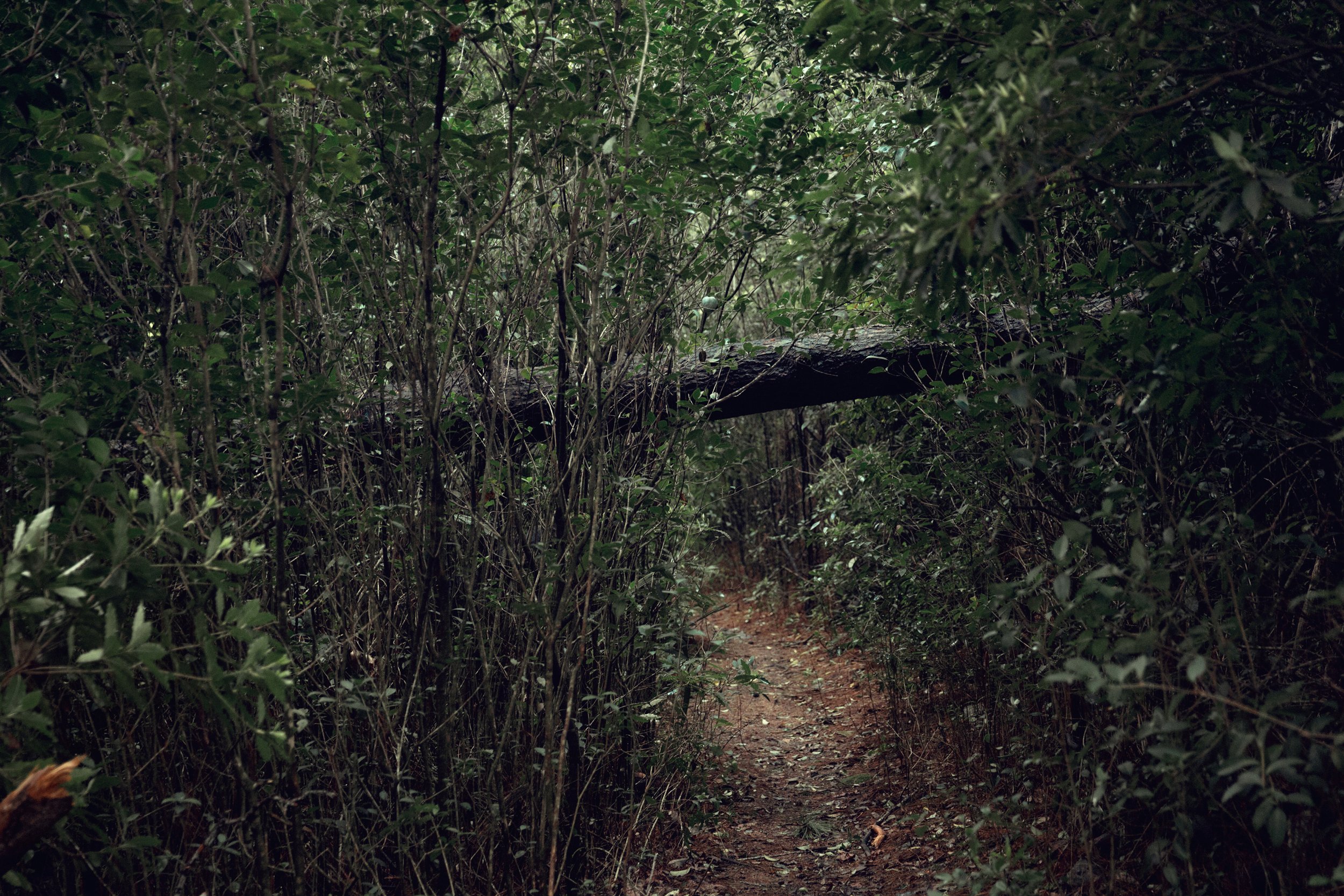
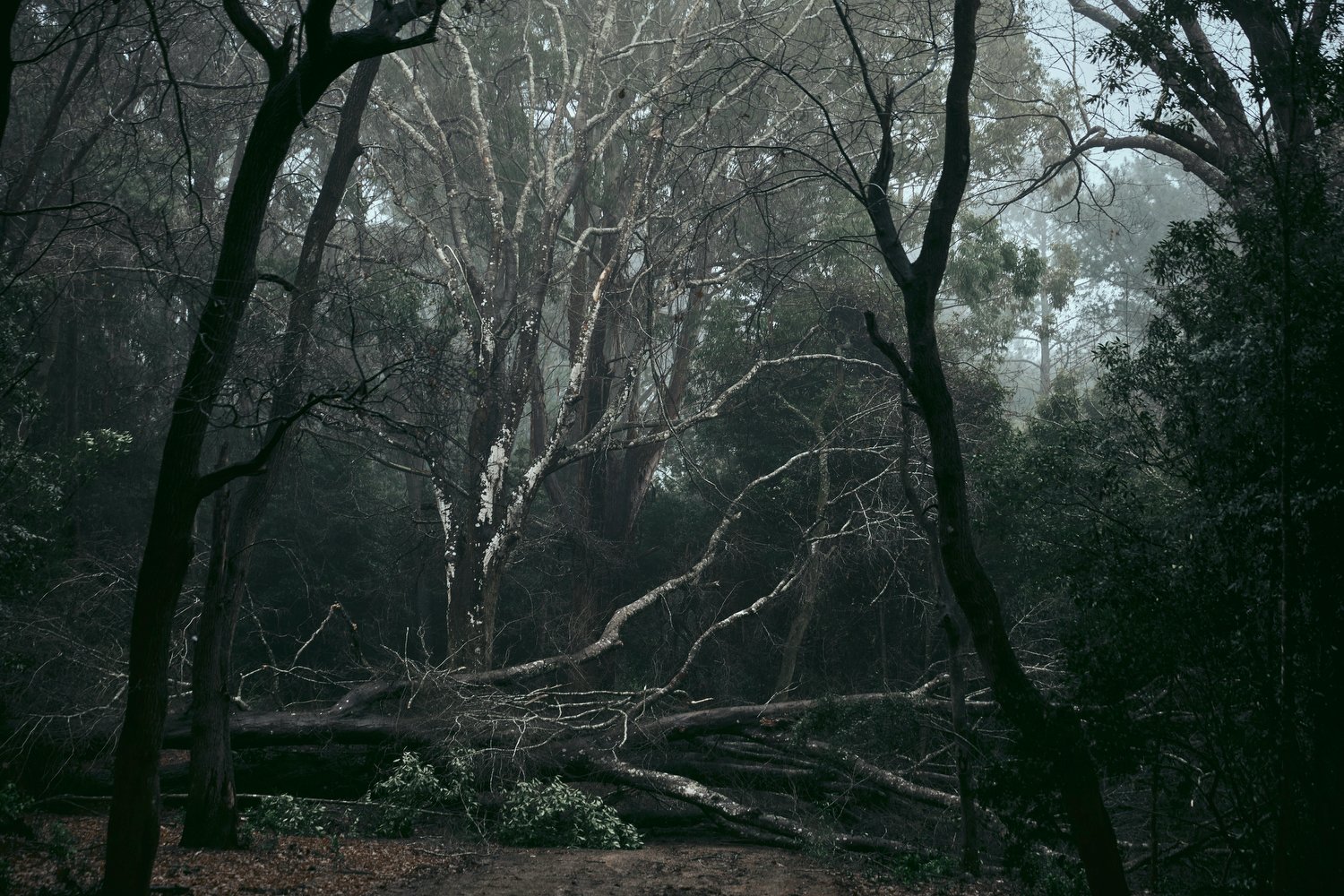
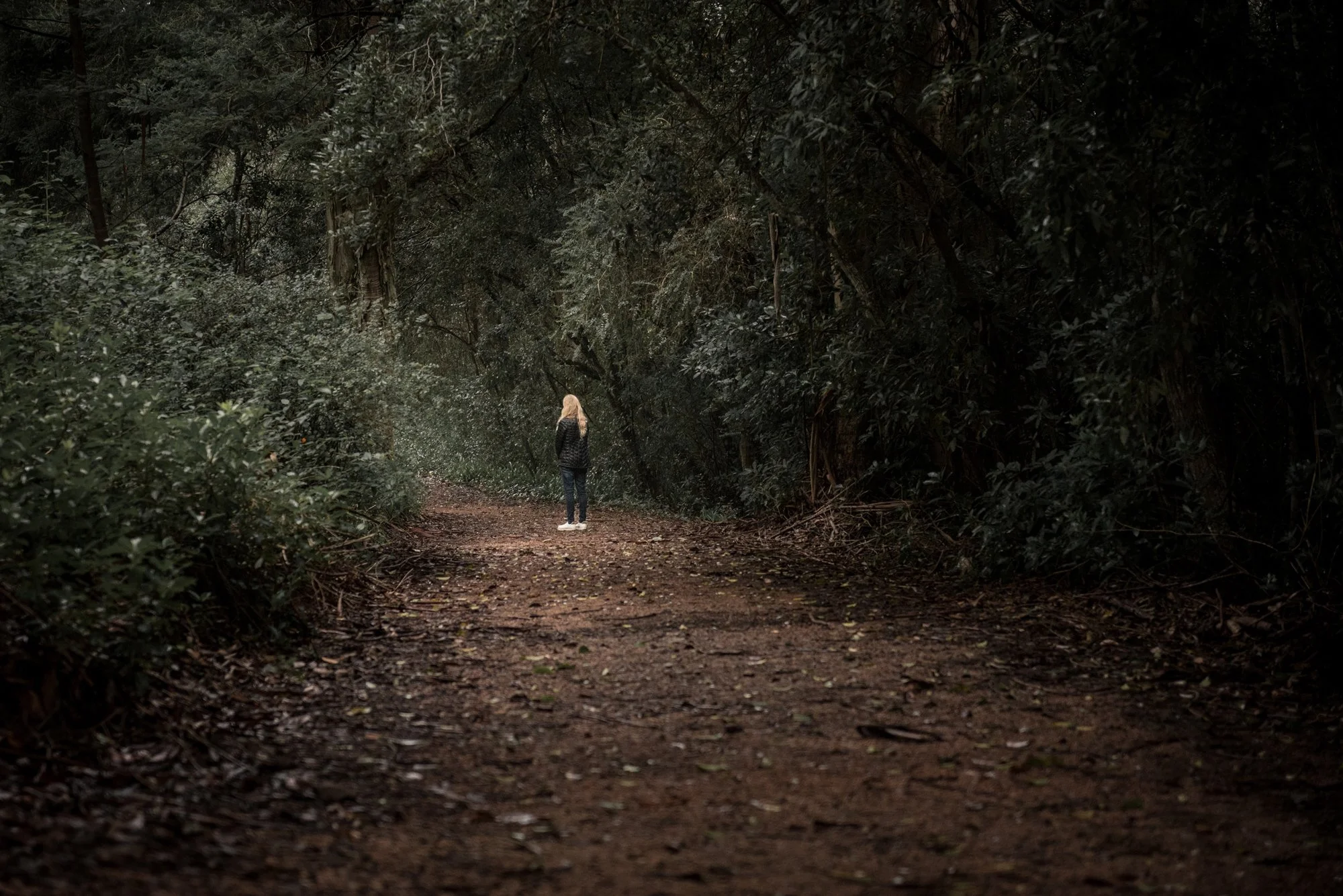
Spending time in the Lussich park let me appreciate the beauty of imperfection. I managed to step away from the urge to photograph the obviously beautiful, and let myself be captivated by foggy days, a fallen trunk blocking a path, branches scattered on the ground.
There were days when I didn’t take a single photo, turning my attention to the crunch of leaves underfoot or the hum of a distant insect. Other times I captured hundreds of images. After visiting the Arboretum for a while, I noticed how my mood improved compared with the weeks when I didn’t go.
Forest Bathing, or Shinrin Yoku, is a Japanese practice of walking among trees while focusing attention on the senses: taking in the scent of flowers and damp earth, watching how light transforms the landscape over time, feeling the warmth of the sun and the coolness of the shade. Resting, breathing, contemplating. Ceasing to think in order to feel. This method is used in Japan and Korea to fight depression: doctors prescribe it as an alternative to medication, and it is even covered by health insurance. Several scientific studies show that psychological and chemical changes occur in people who practice it.
In Forest Bathing I found an explanation for the well-being I felt when visiting the Arboretum, and I decided to name the project after it, hoping to spread both the practice and the beauty of the park through these images.
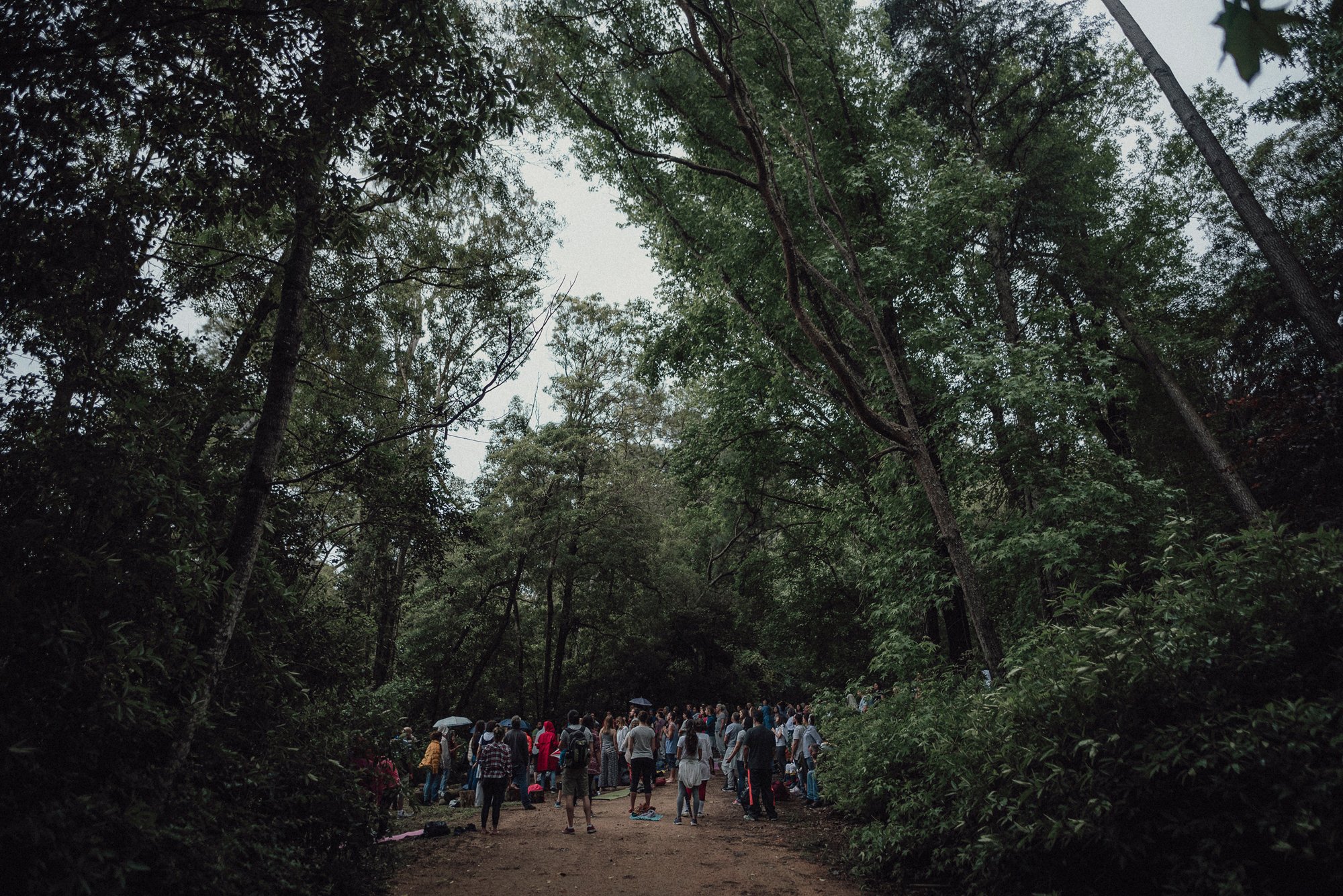
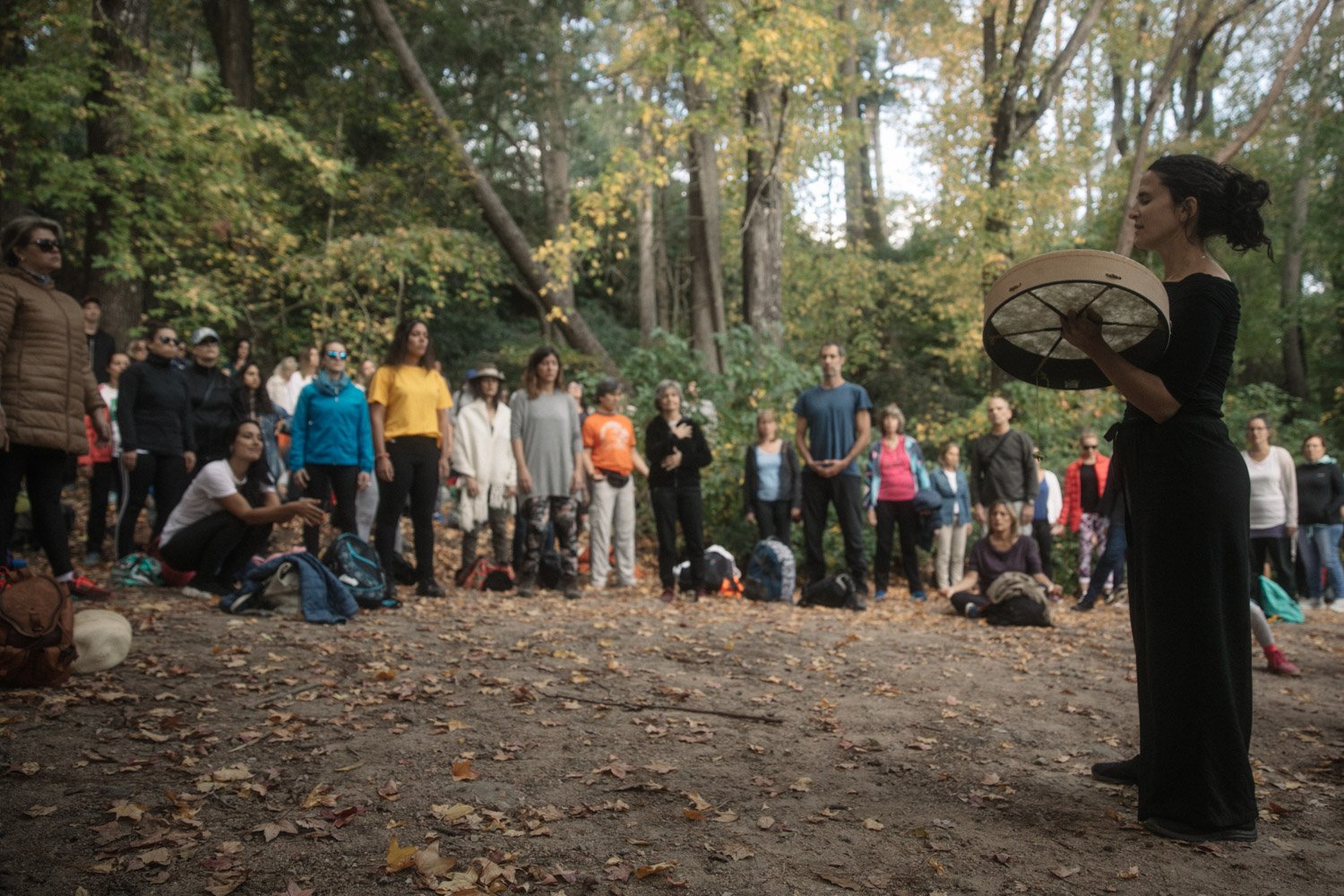
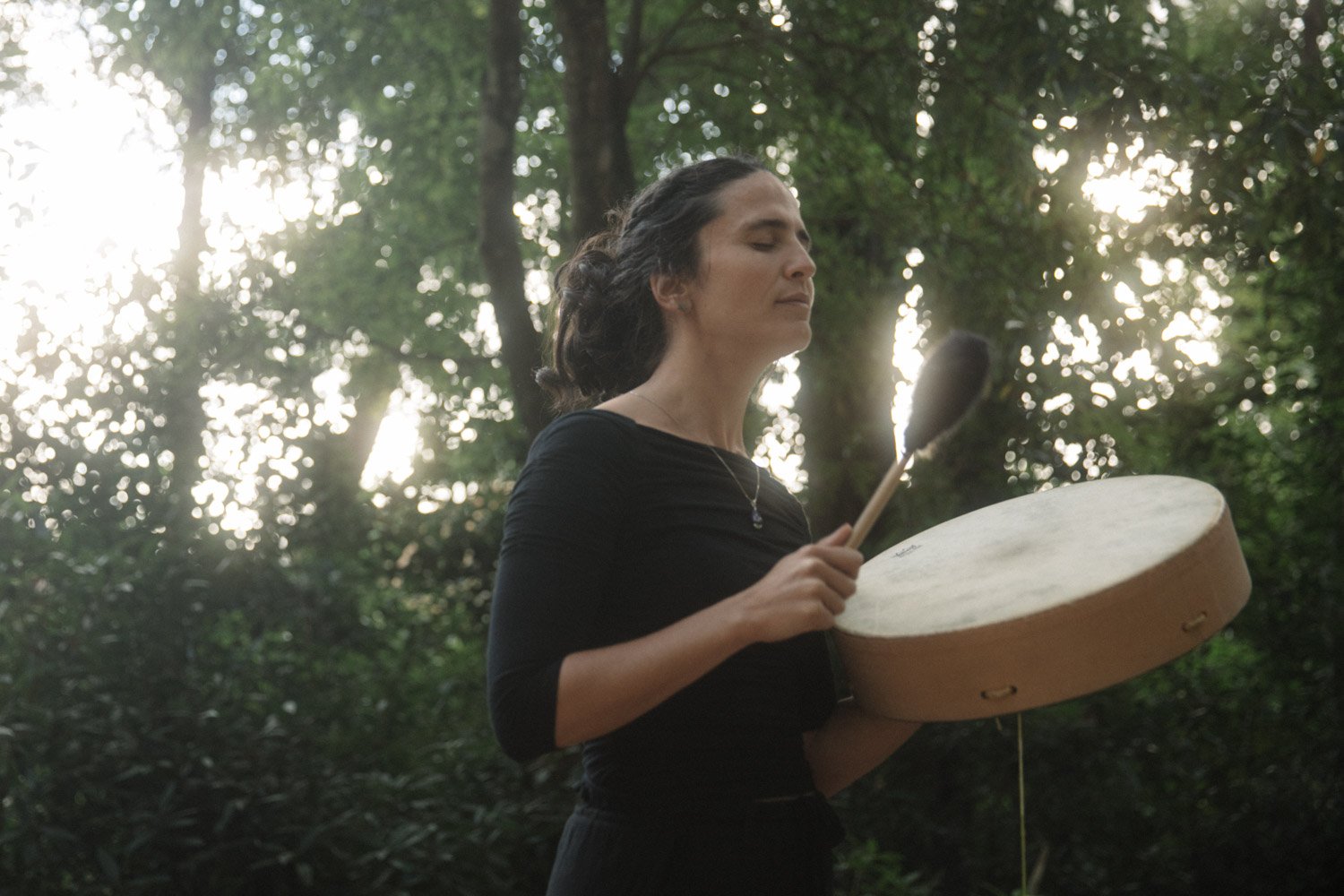
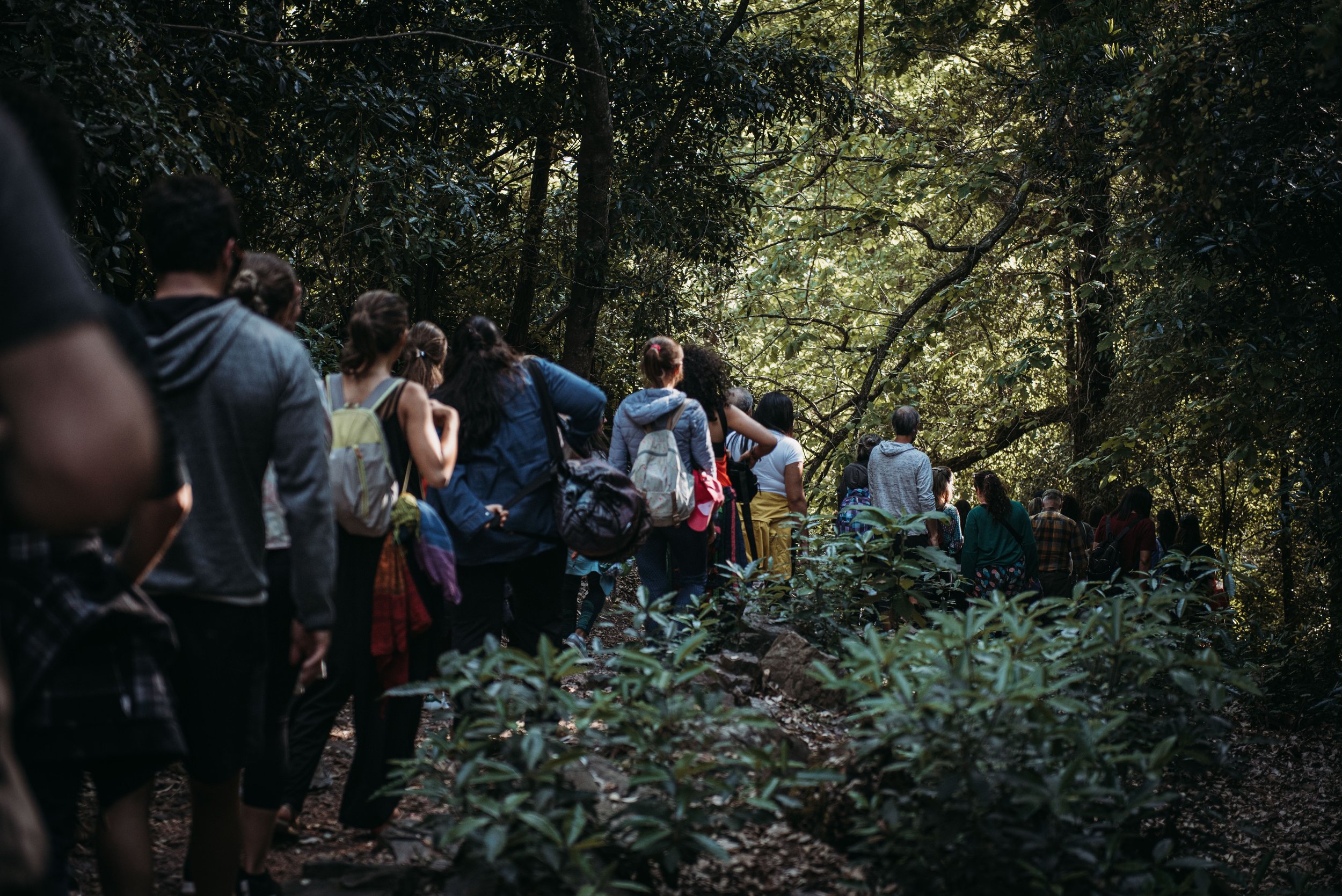
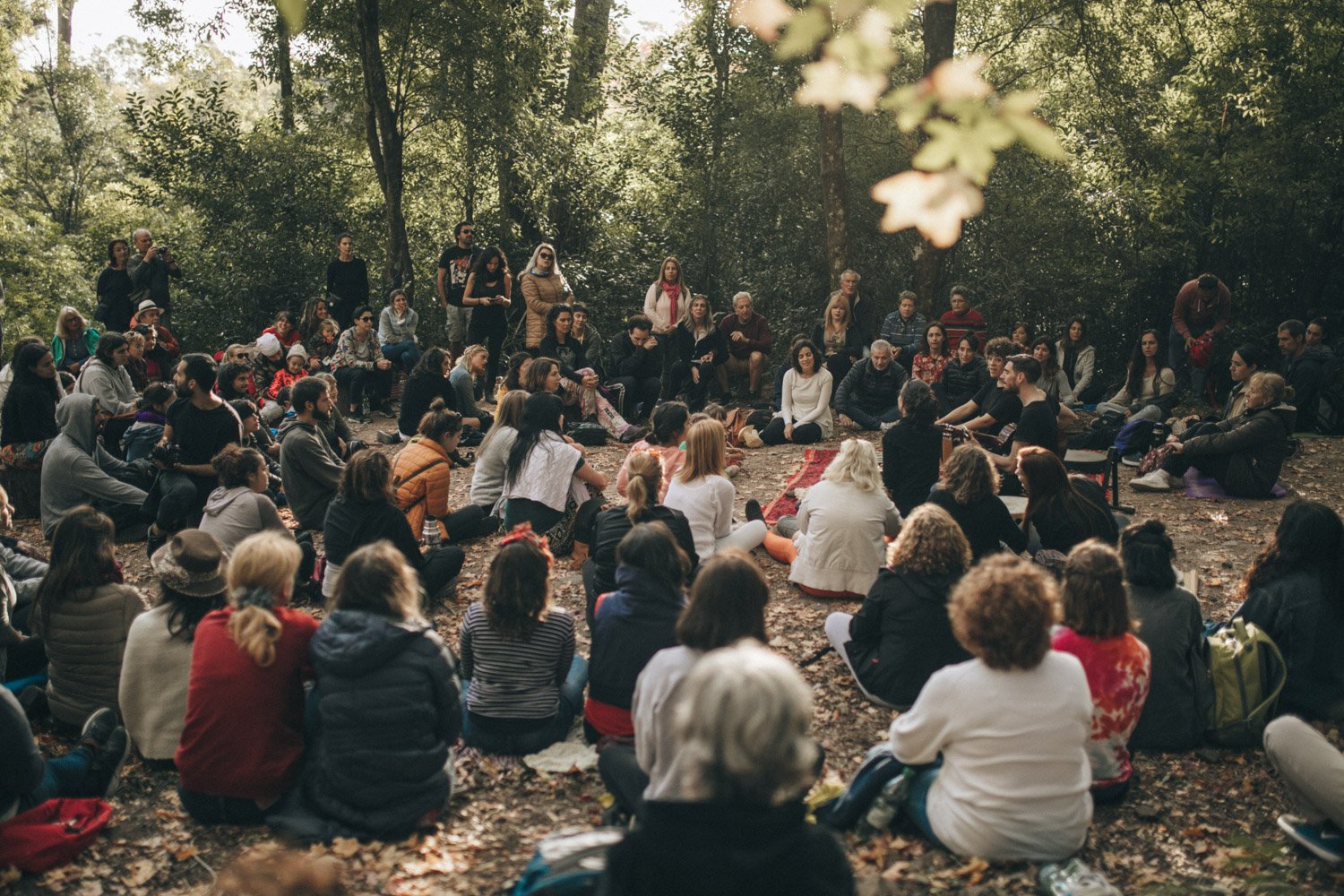
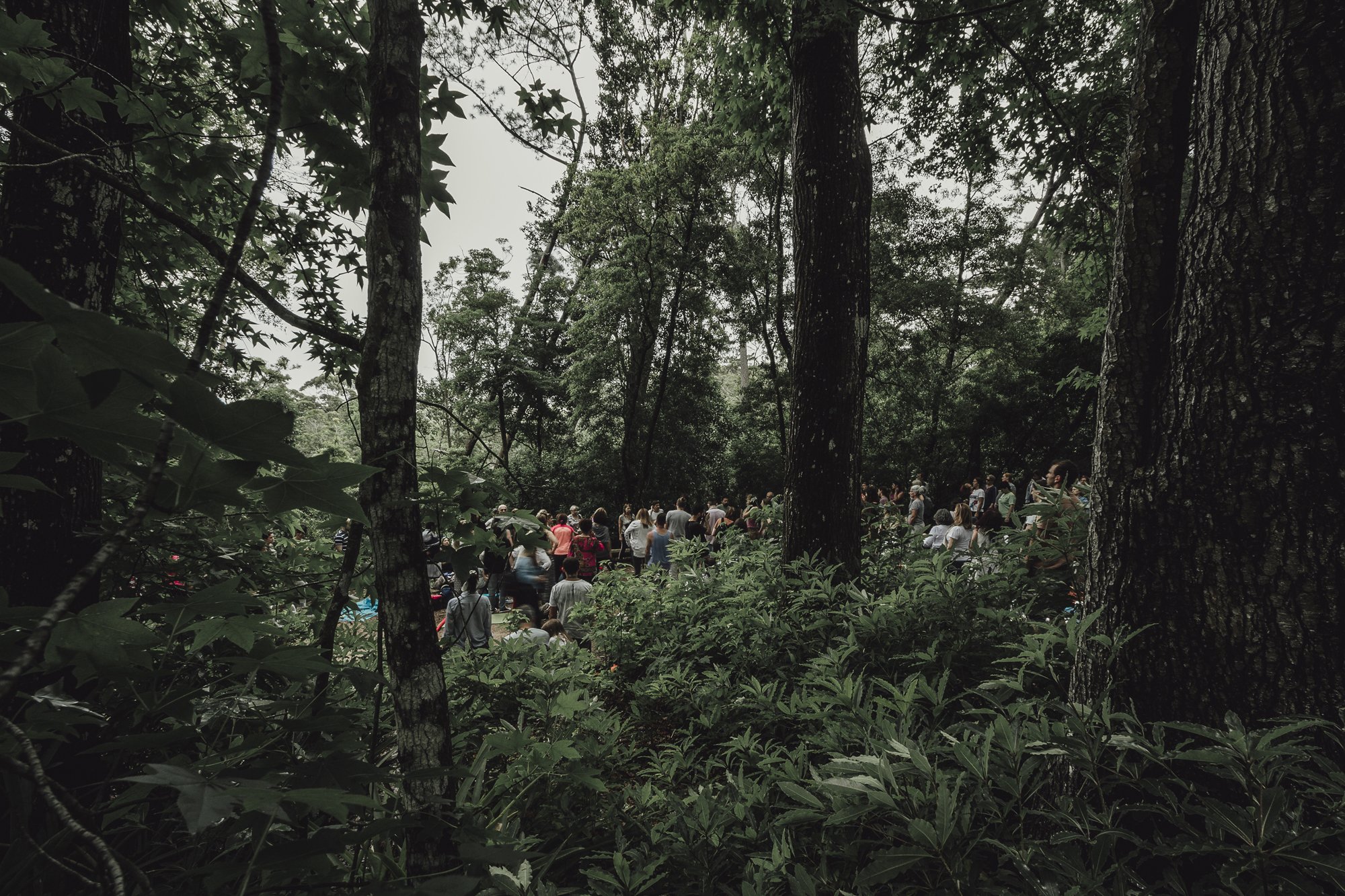
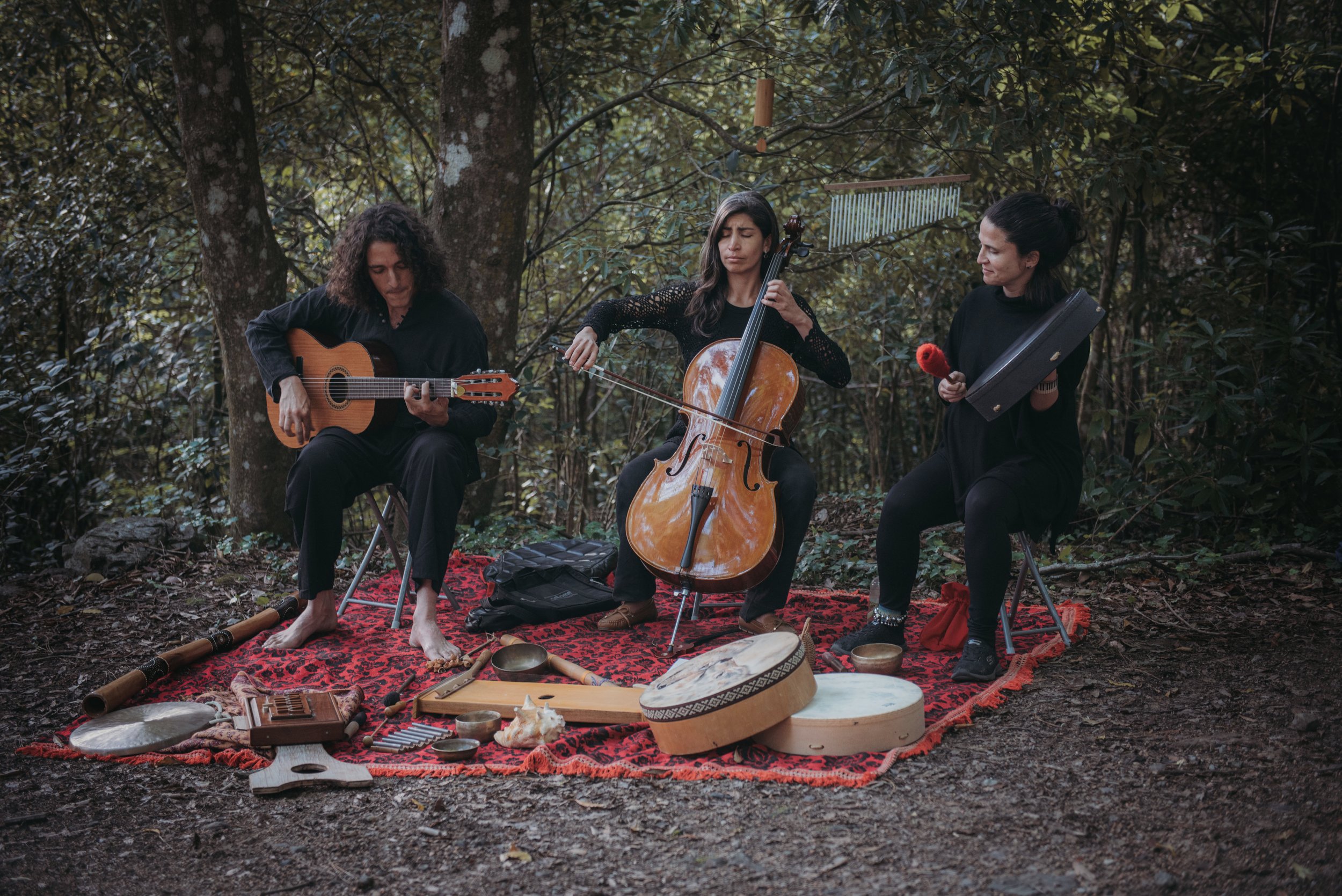
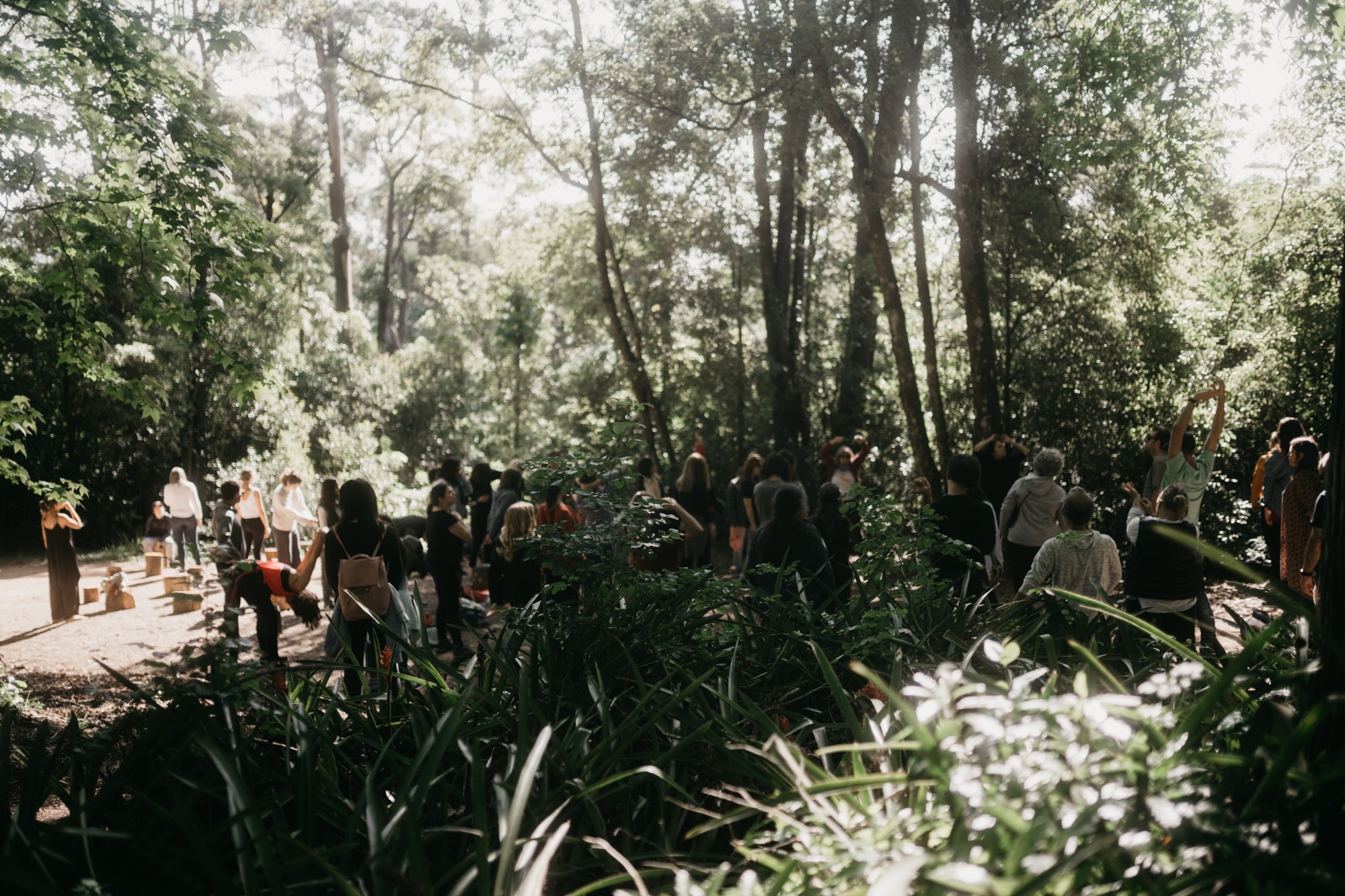
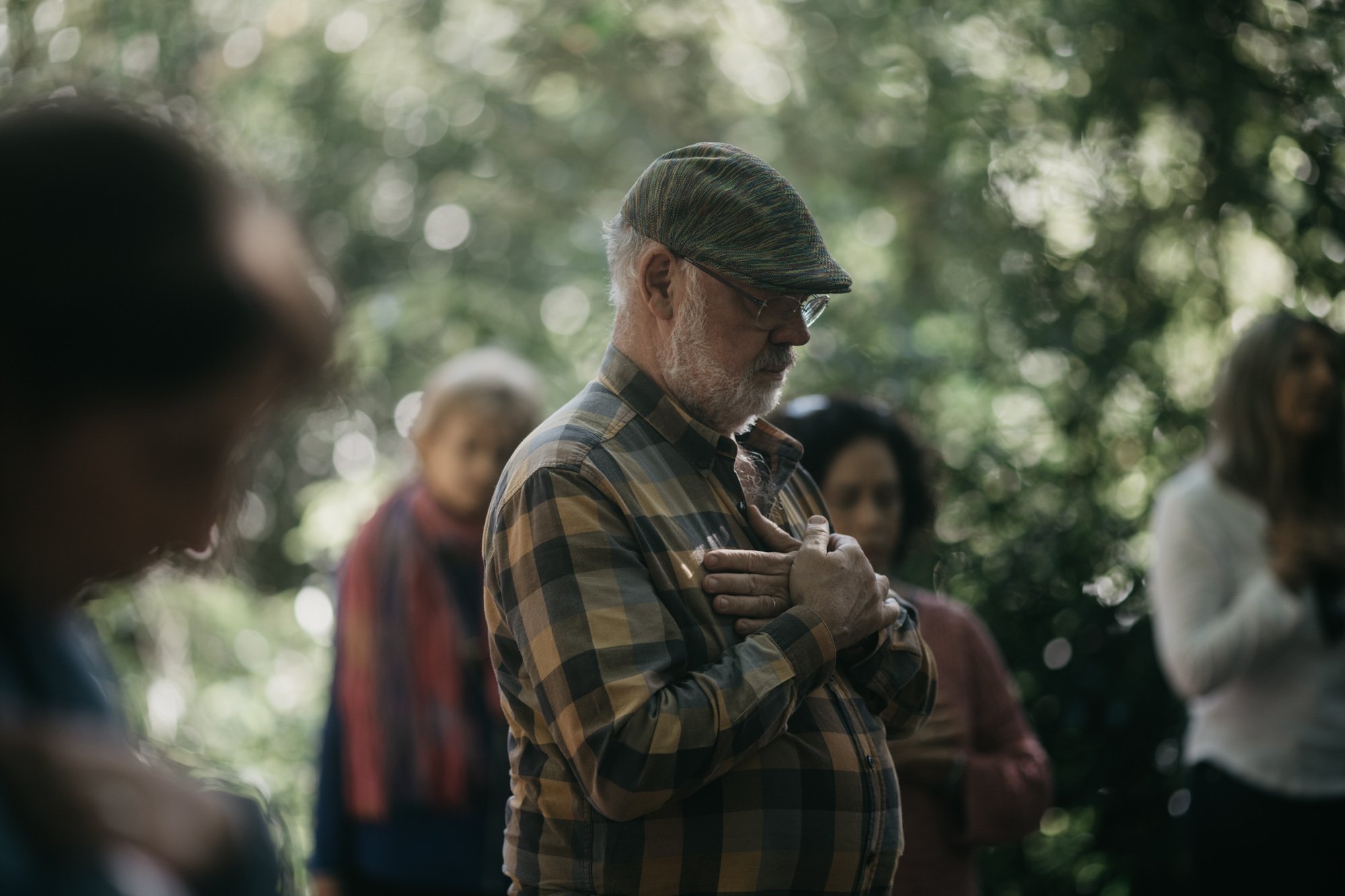
I also made a book, and I sometimes organize meditation events in the forest that have drawn more than 400 people.
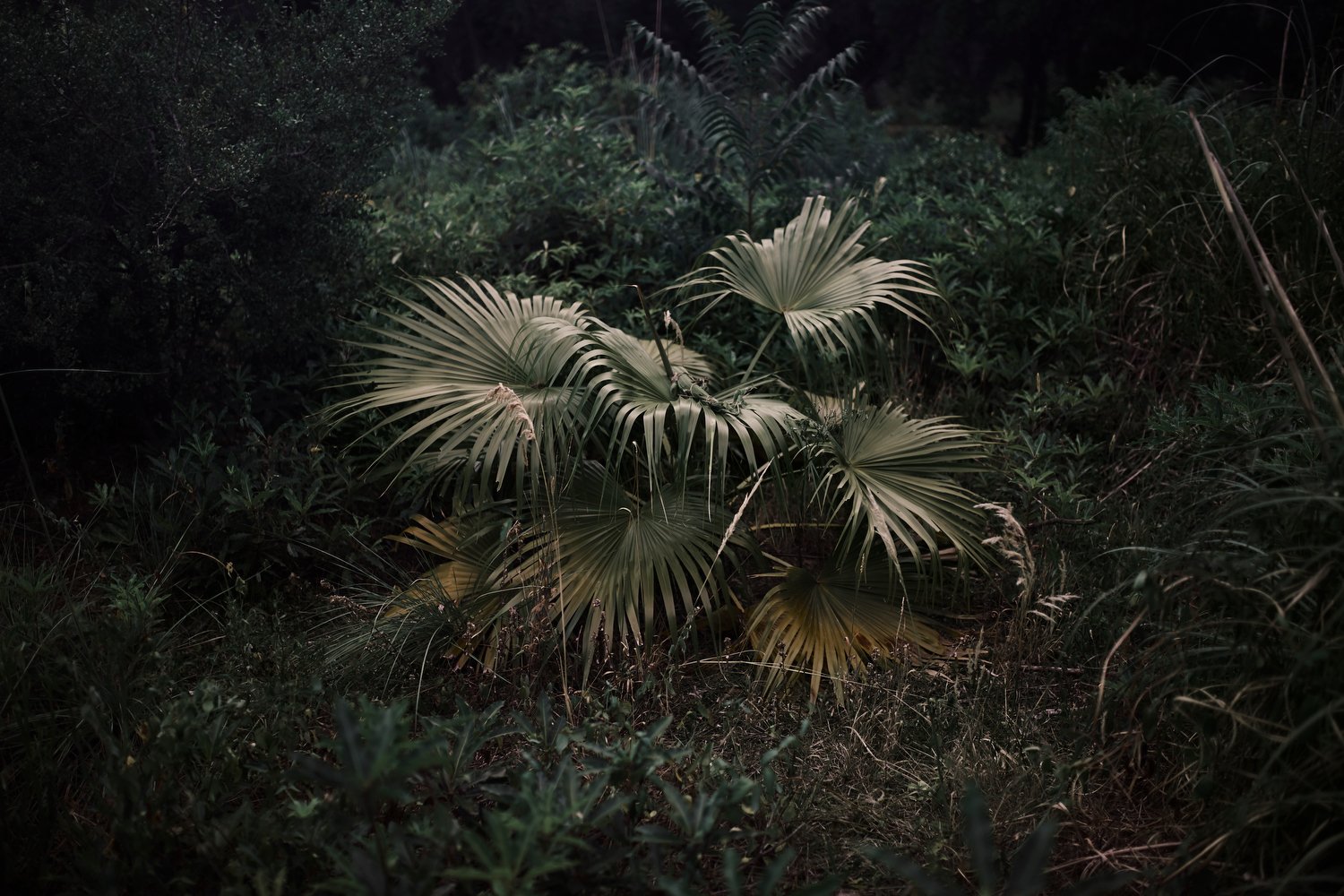
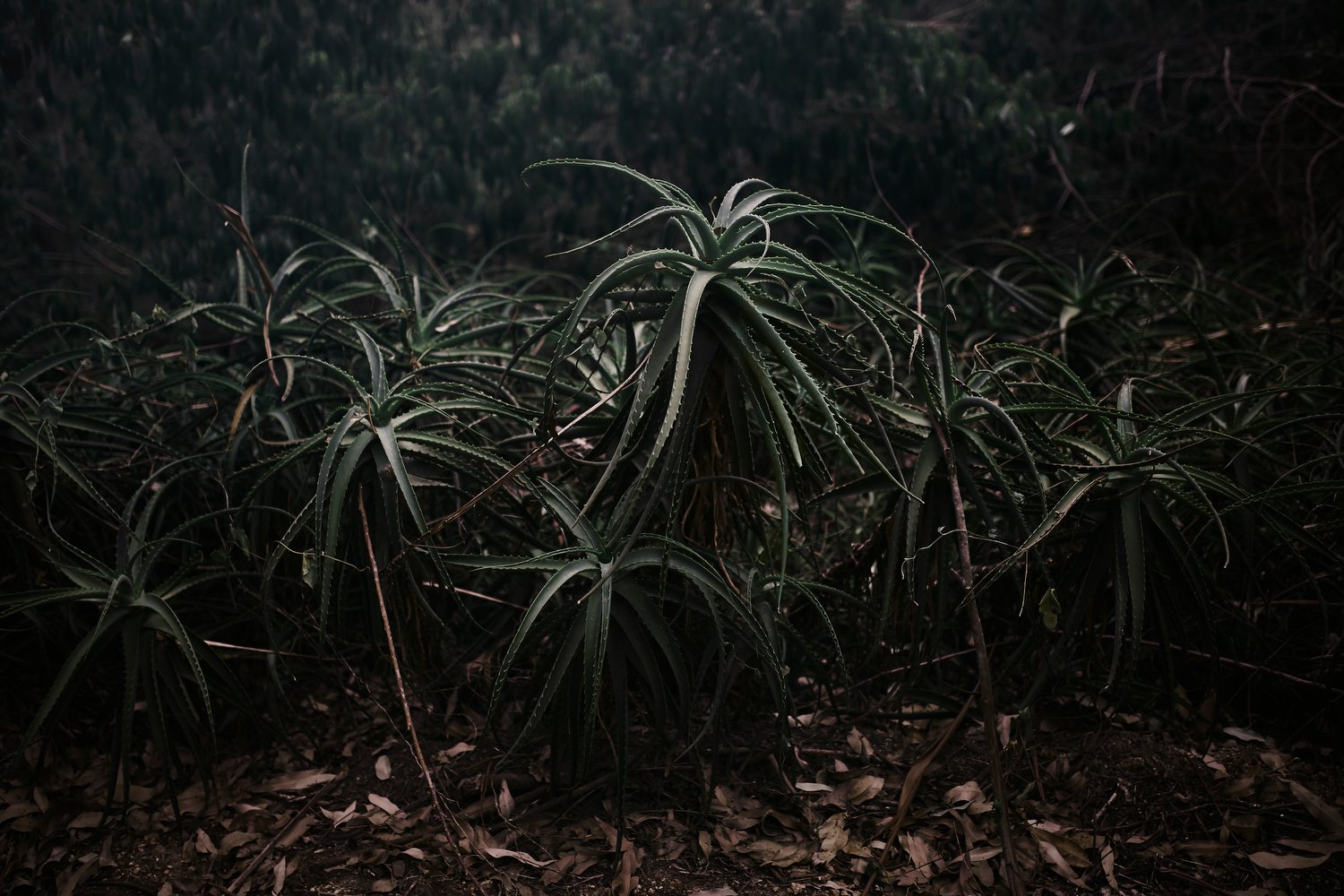
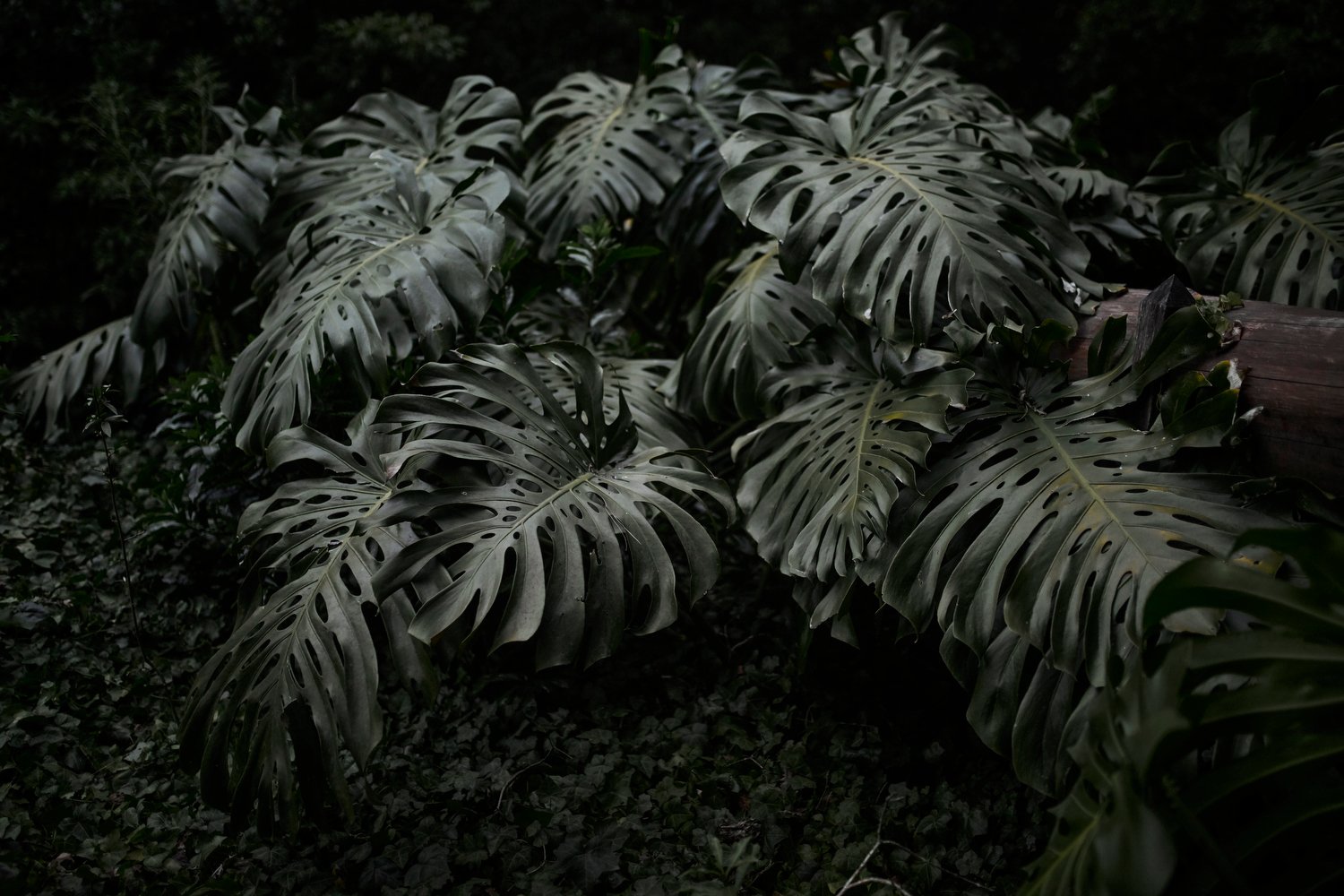
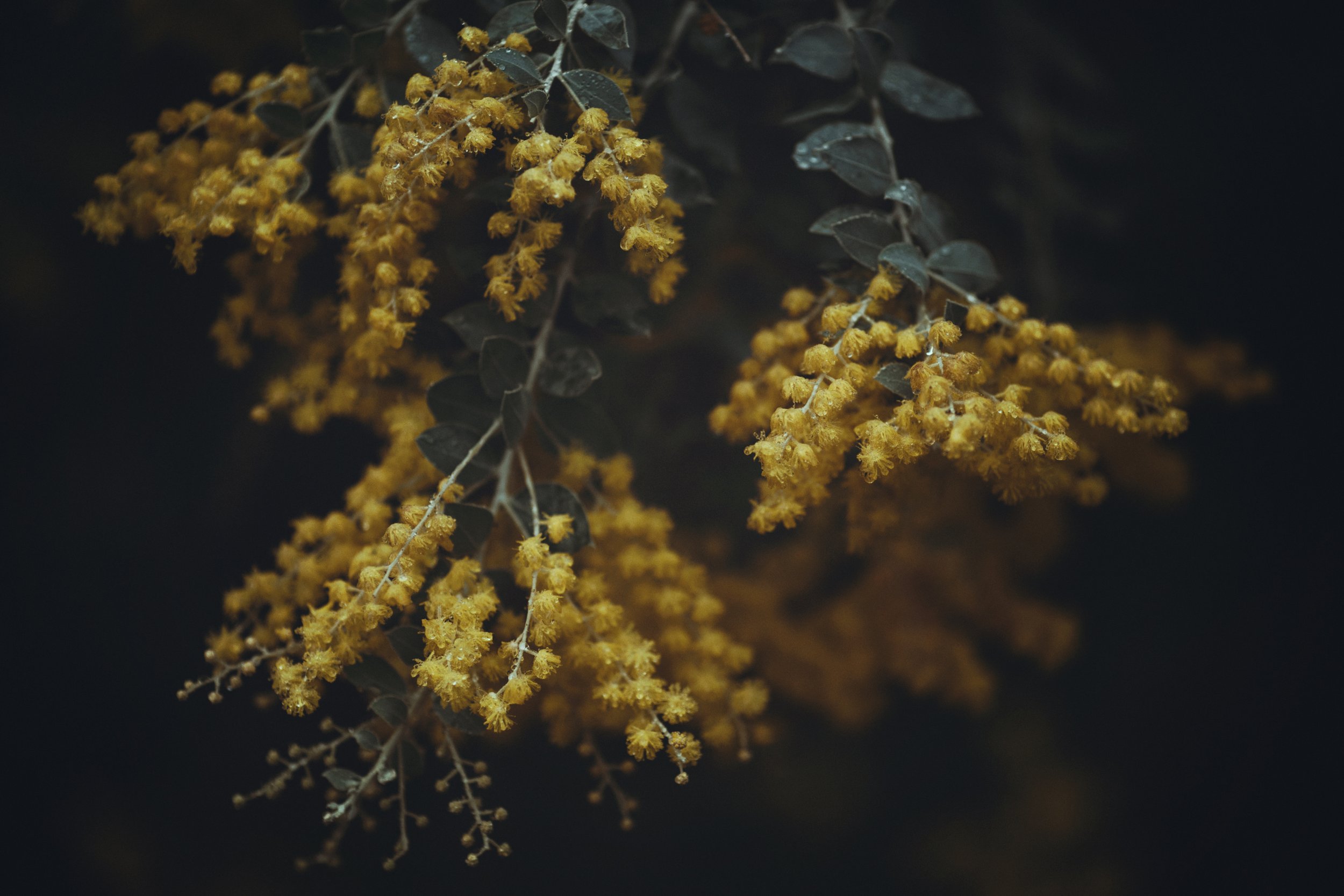
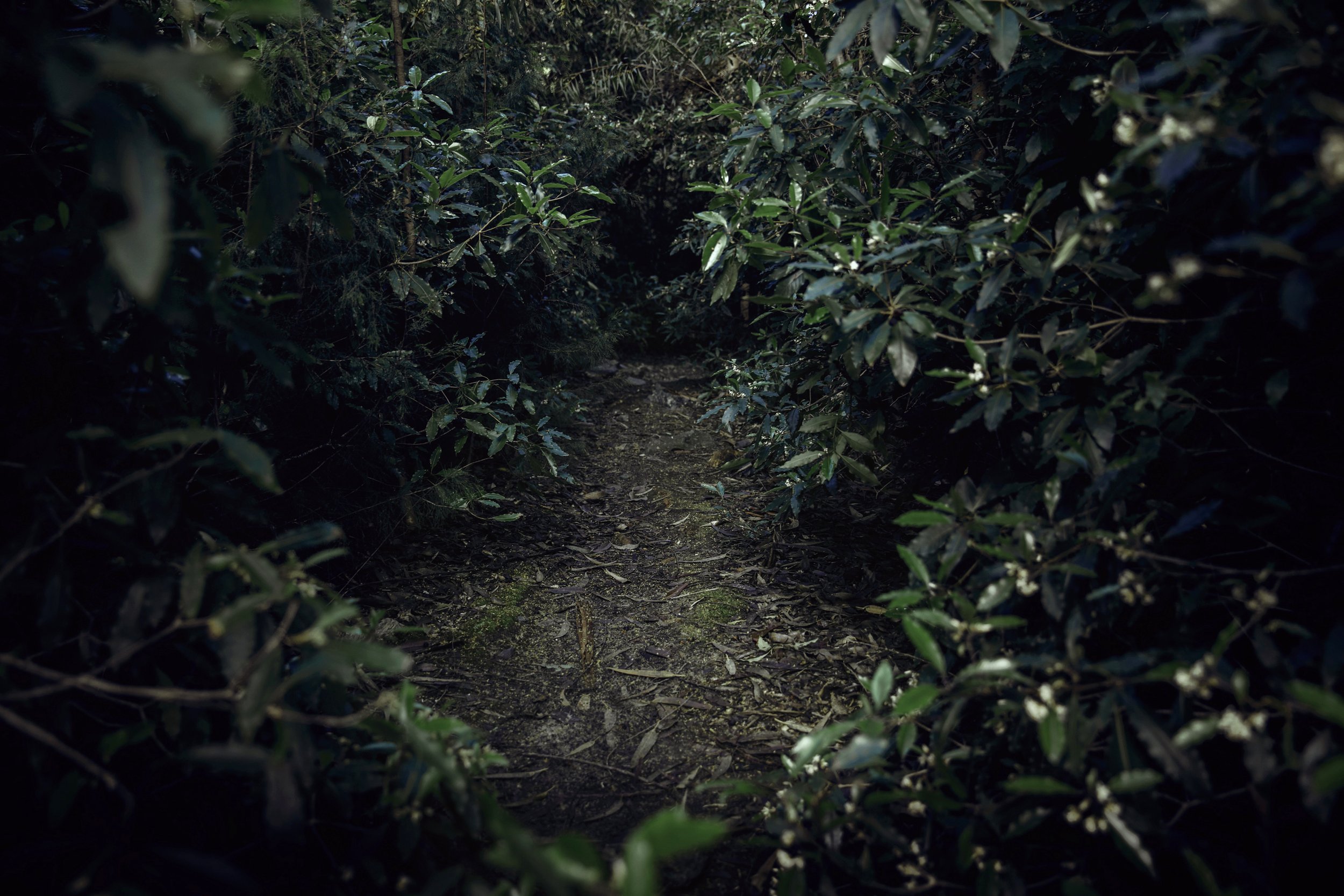
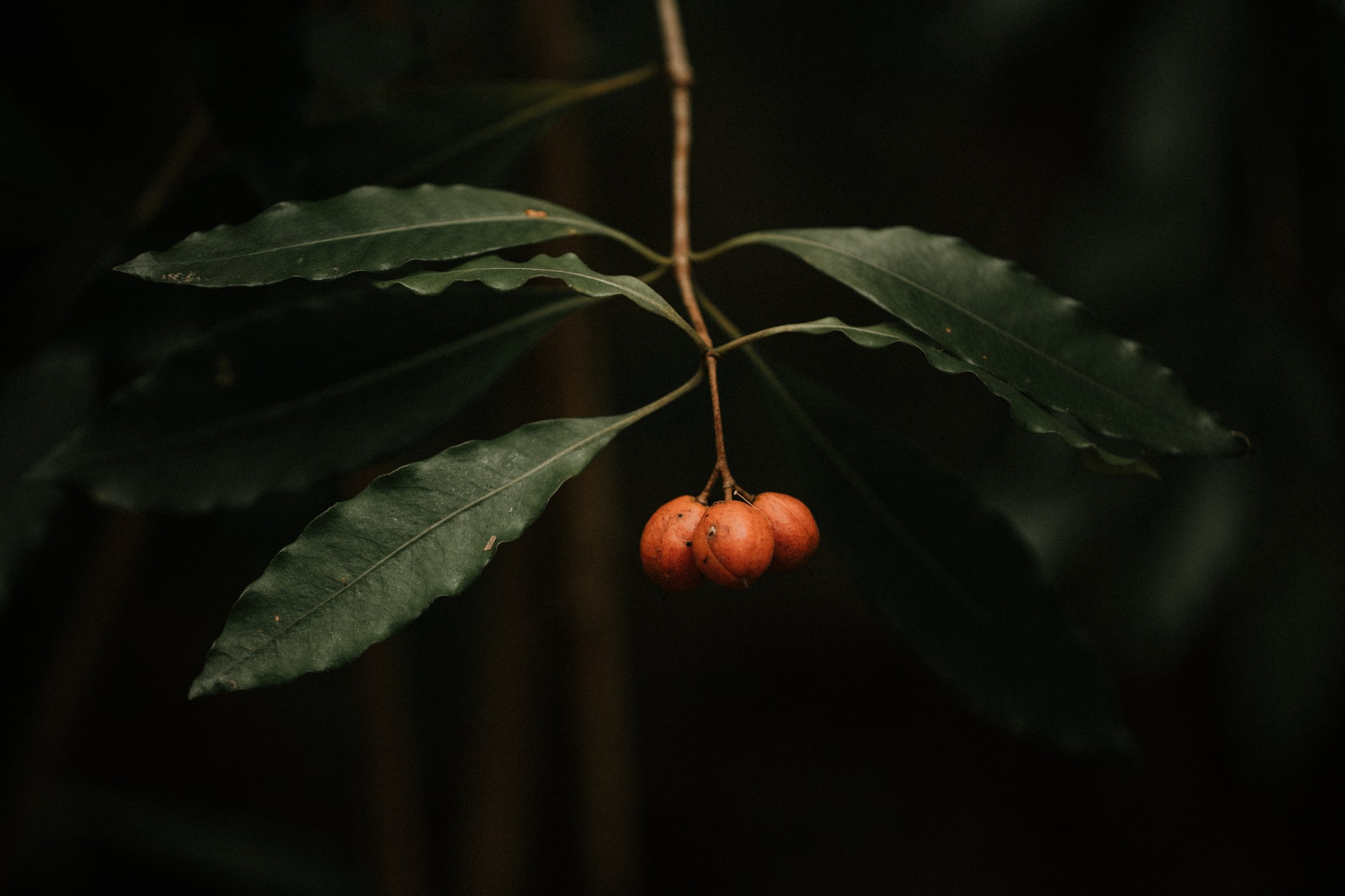
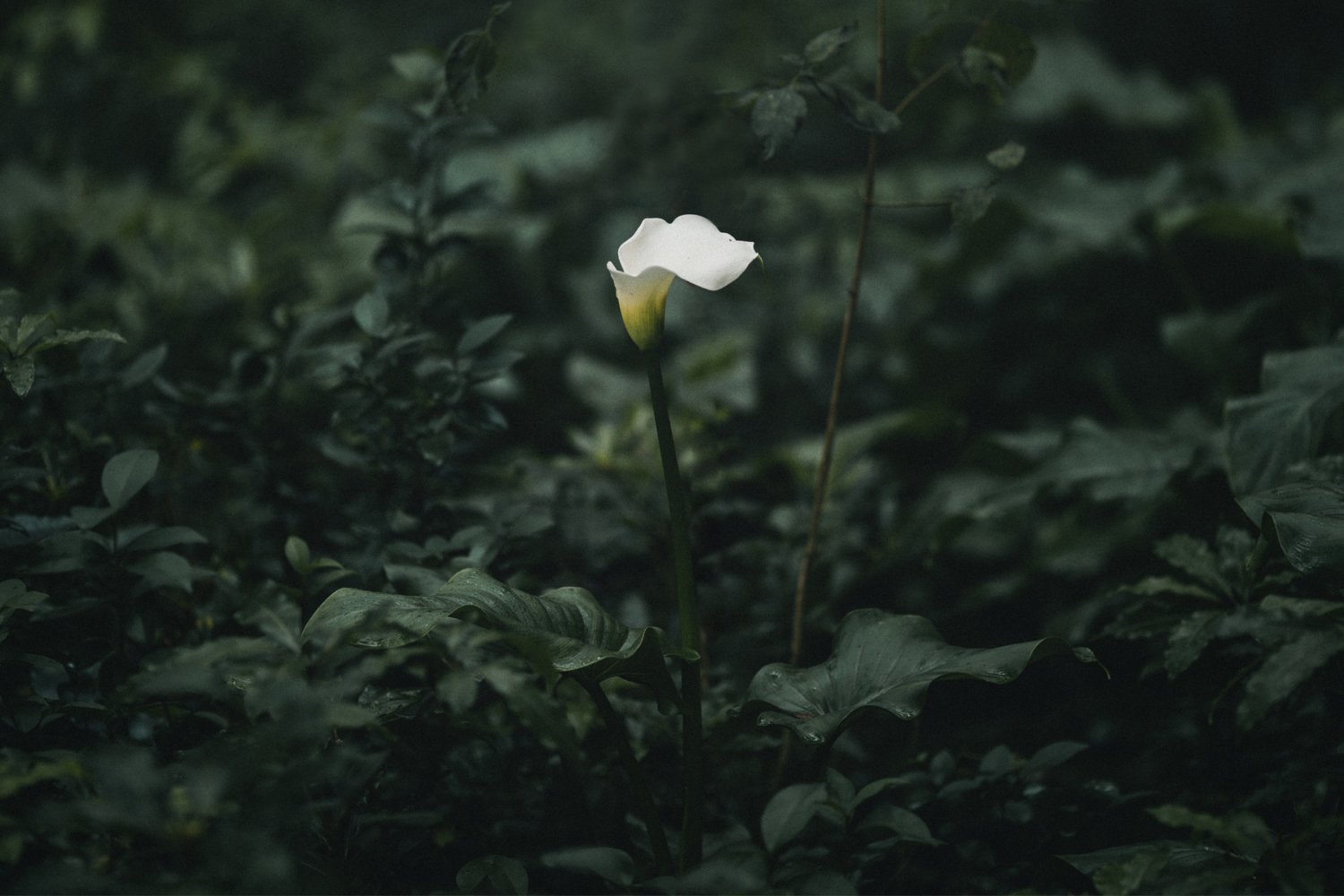
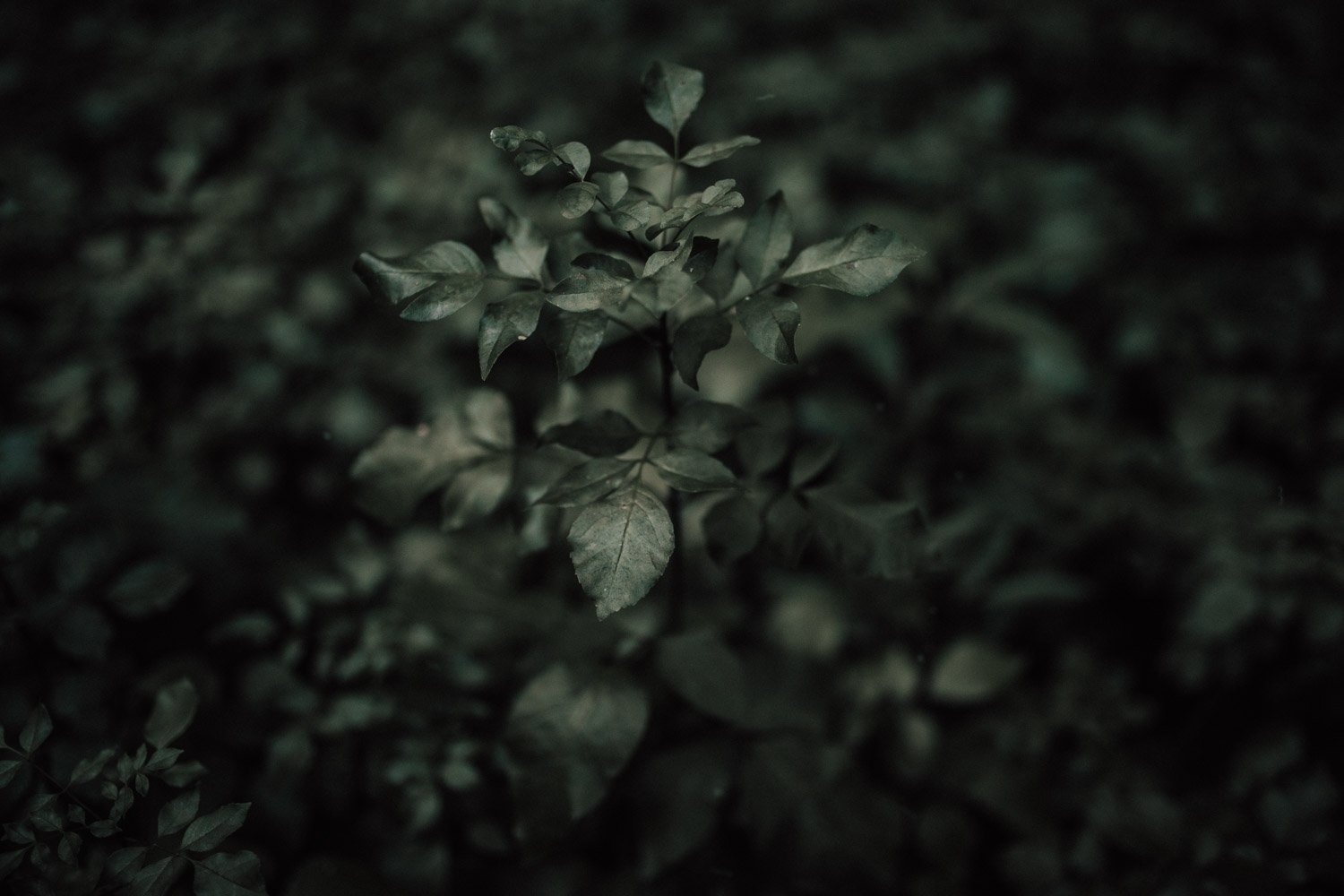
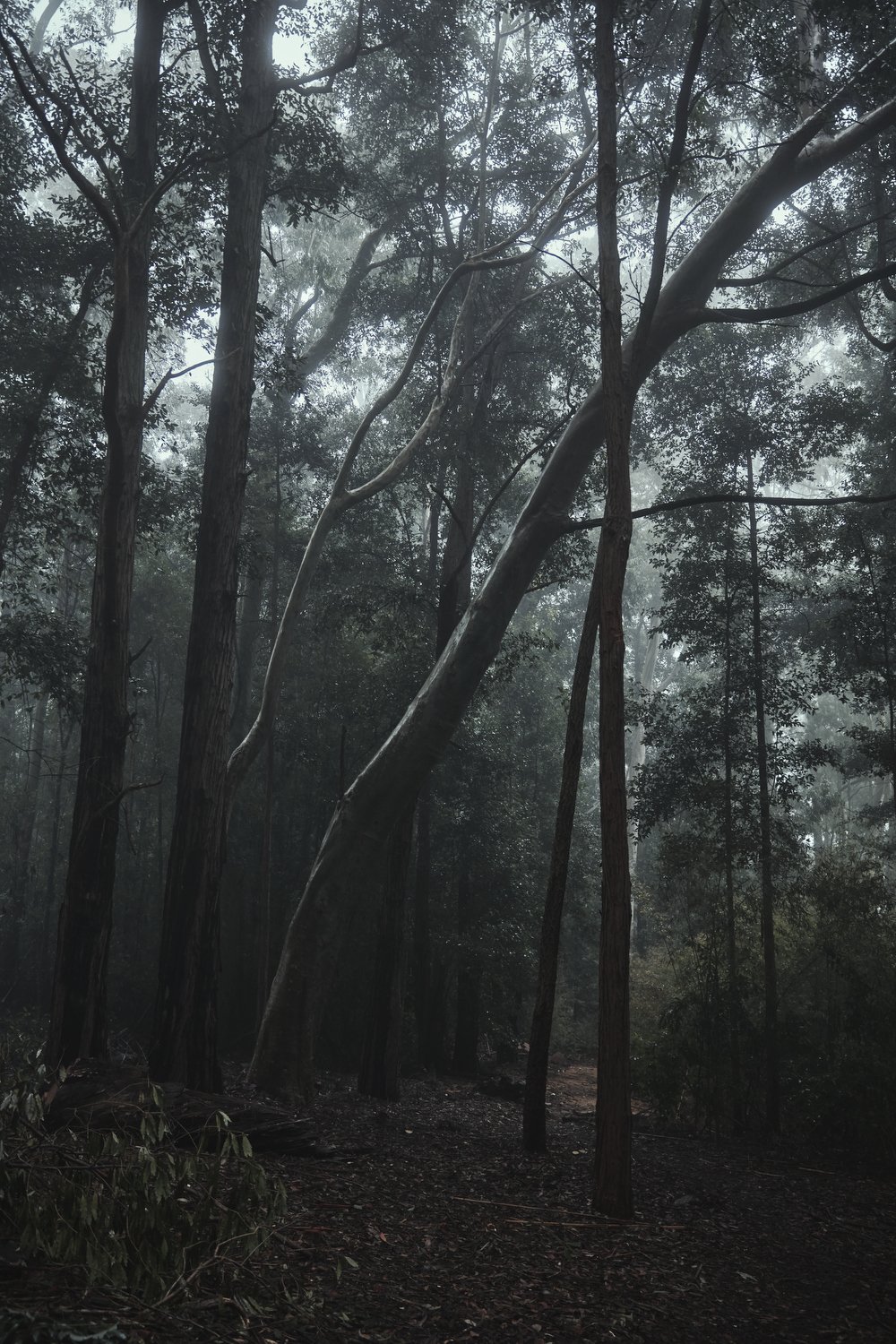
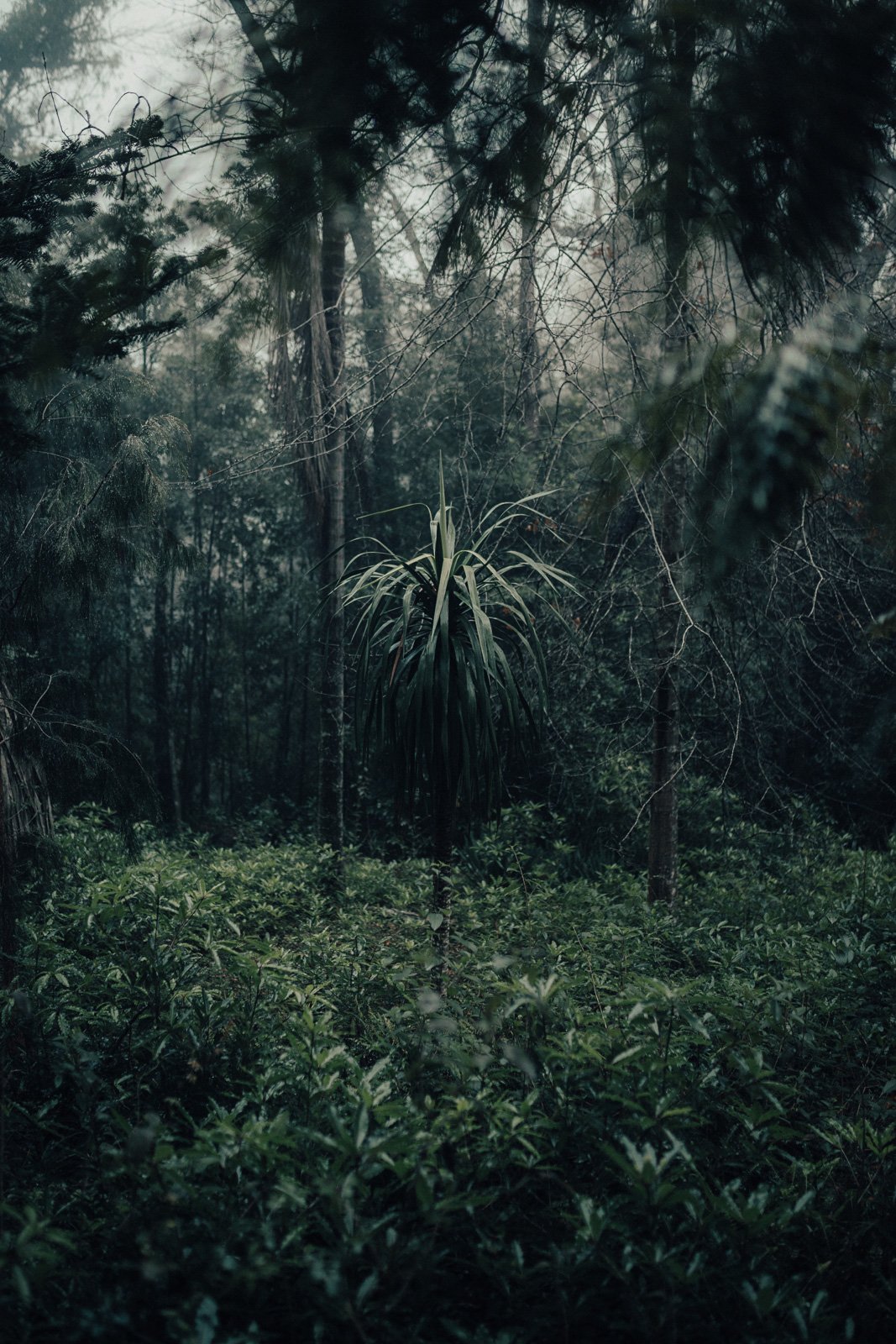
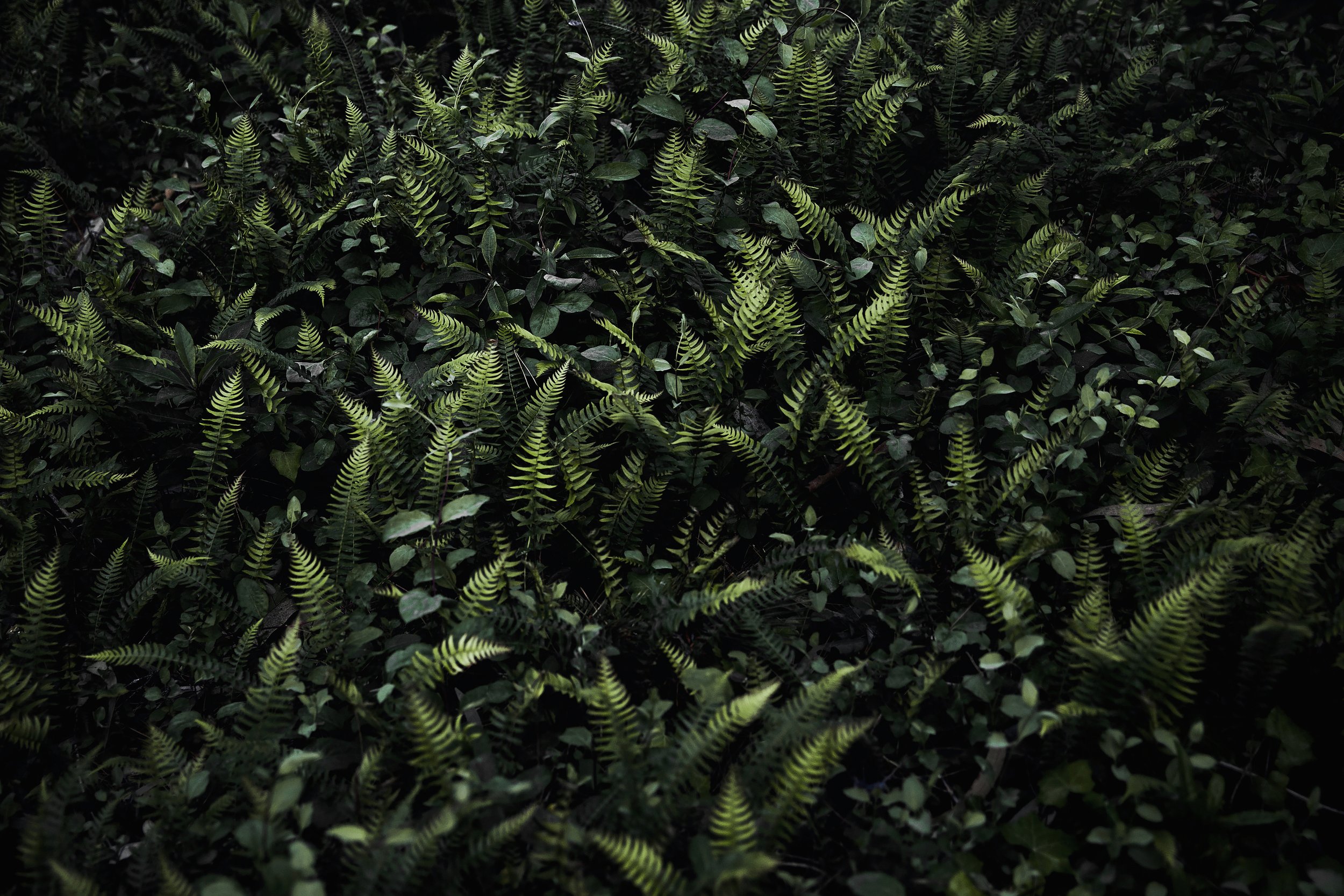
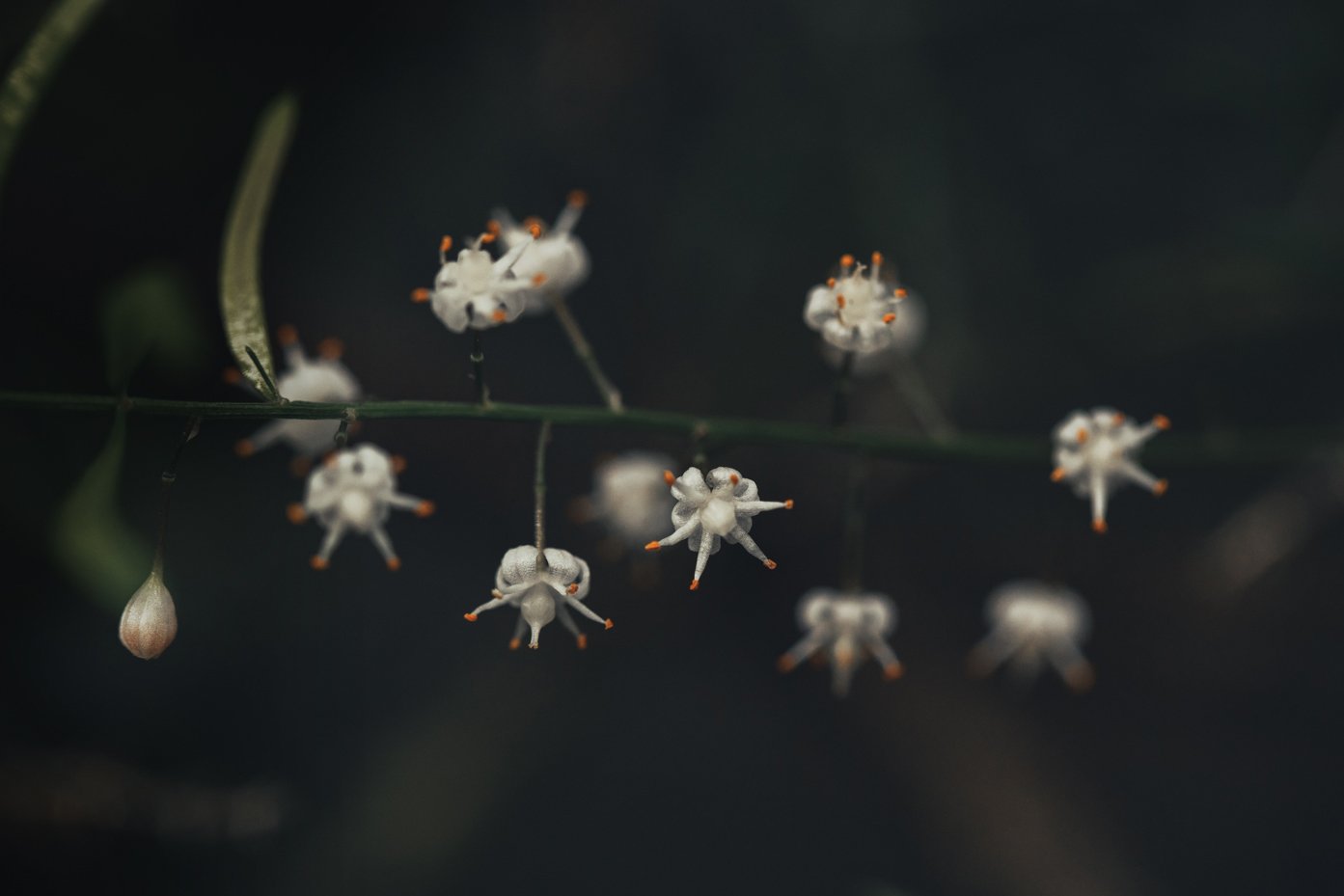
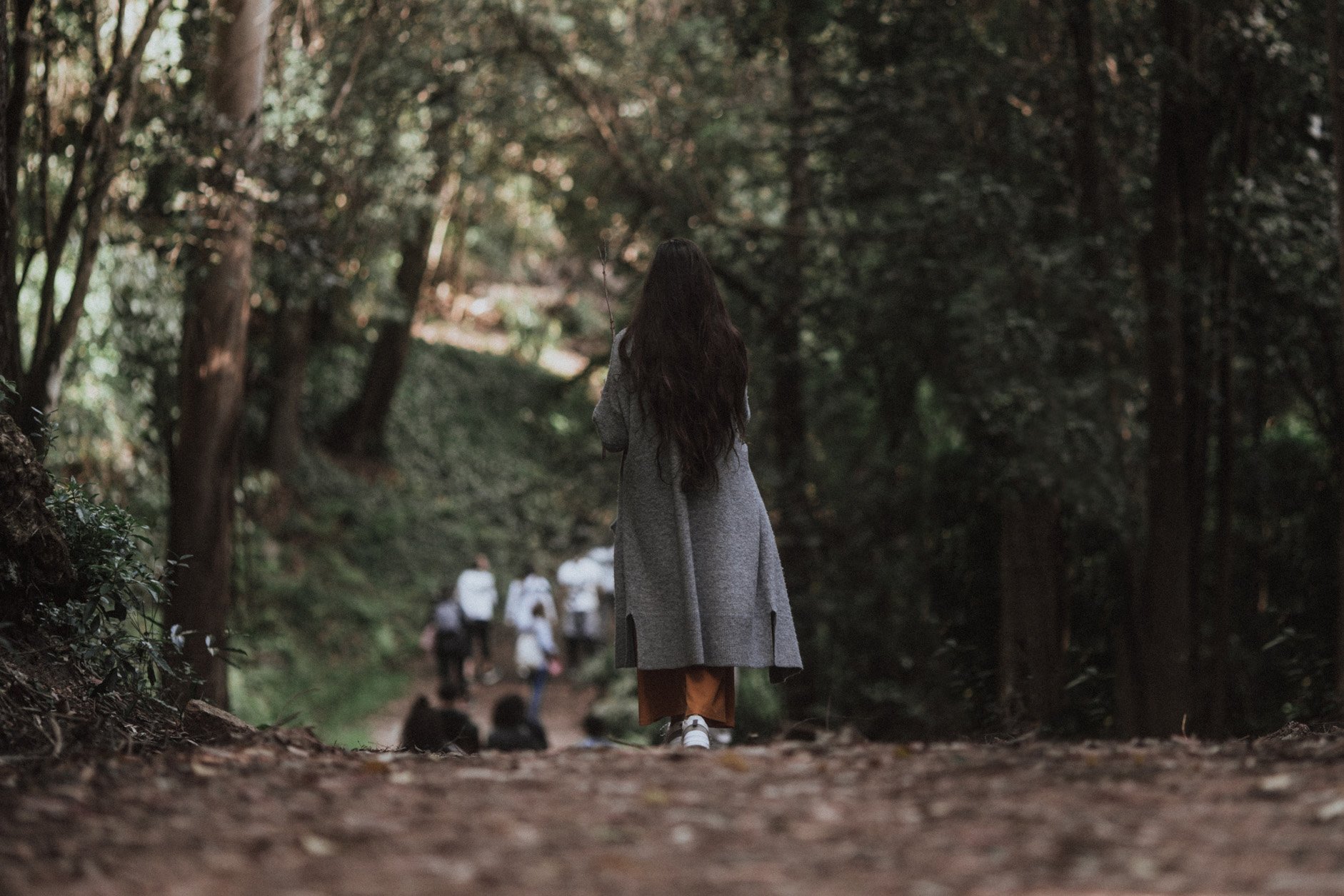
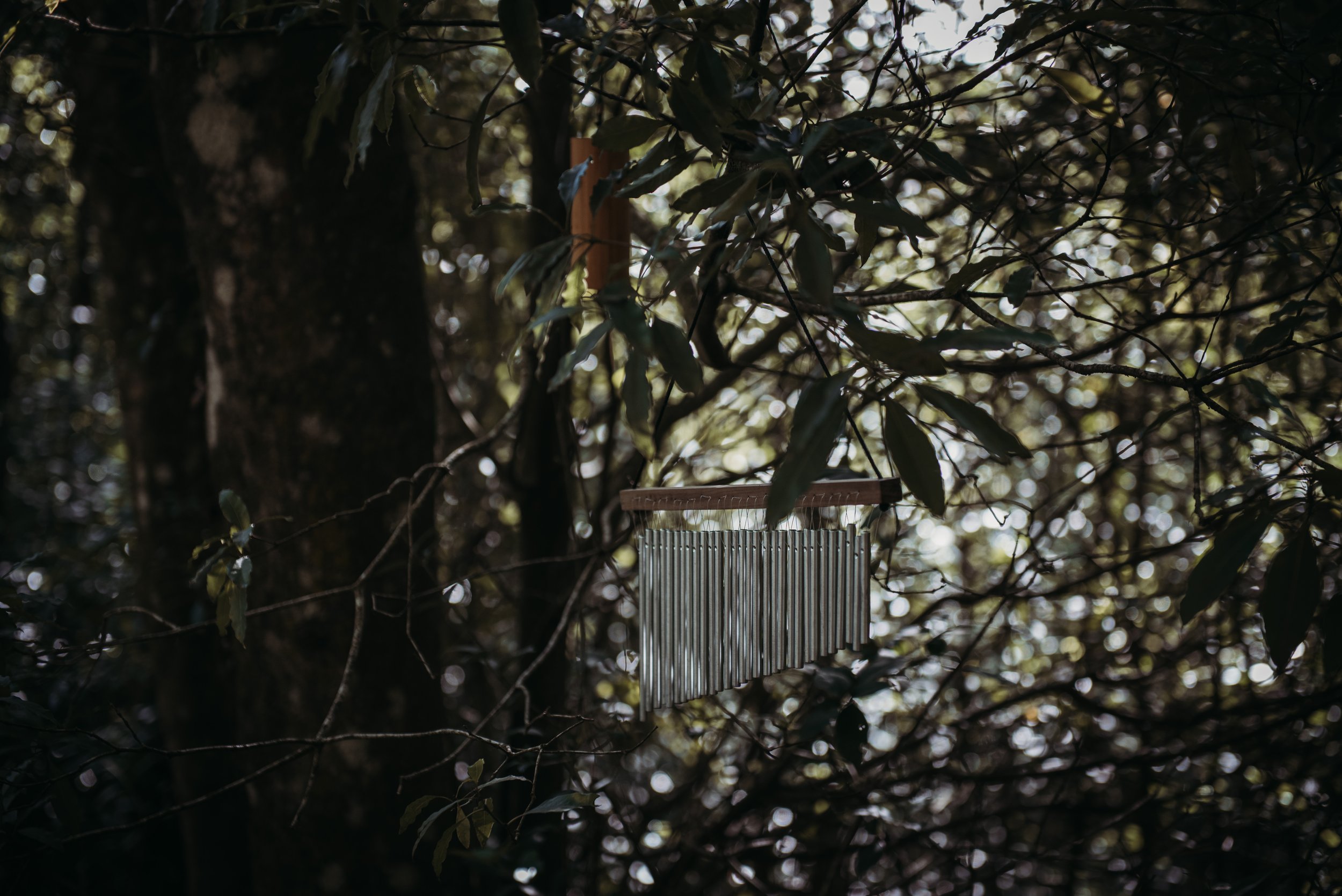
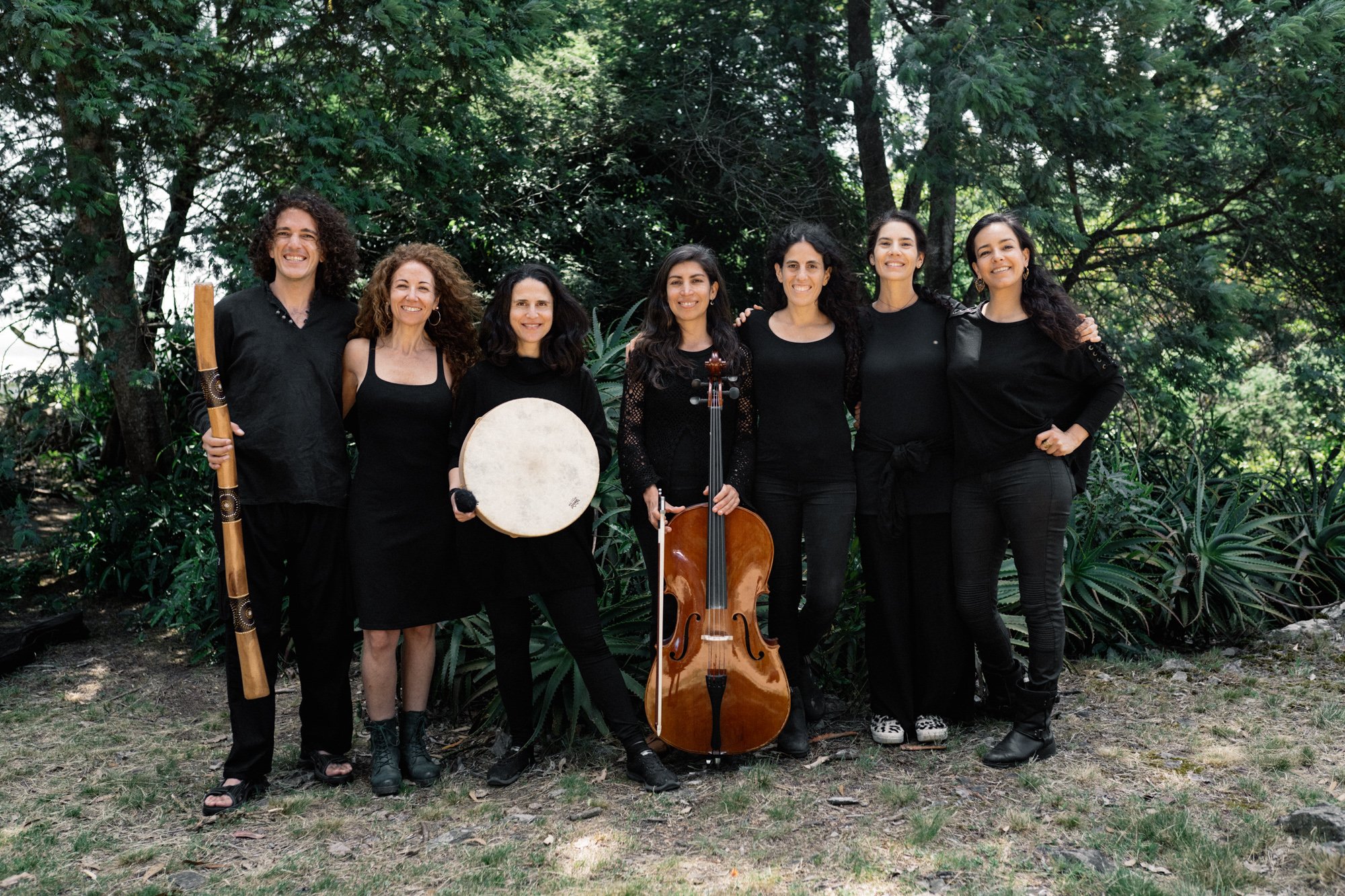
Below is a selection of photos from the project and the events.