May 19, 2024
Turning pain into connection and images
 If you want to read the Financial Times article where these photos were published, it’s here.
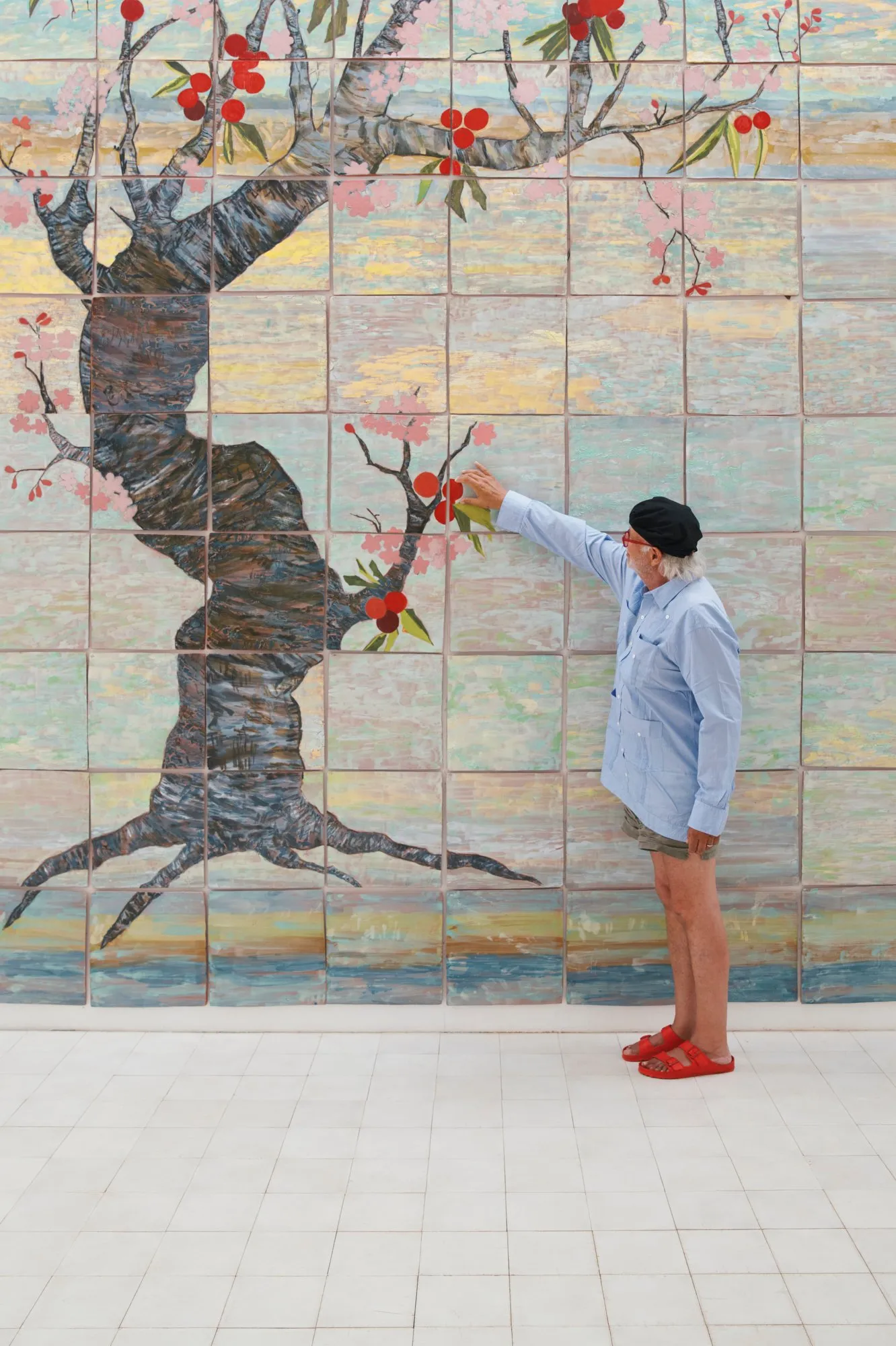
These photos almost didn’t happen. After driving a few hours to Garzón for a Financial Times assignment, I never imagined the first thing I’d hear from the person I was there to photograph would be: “Hi, I wanted to cancel the session, but I didn’t have your phone number.” Surely not the best start for a photo shoot. That’s how Francis Mallmann received me. He didn’t even need to tell me why. It was clear from his expression that he was in real discomfort.
Despite his back pain, he kindly offered to do the photos anyway, but the suffering seeped into the images. Knowing I had tools that could help, I couldn’t just stand there. I asked him, “Have you heard of the Alexander Technique, or craniosacral therapy?” “No,” he answered. “Would you like to try? I think it could help ease the tension,” I said. “Yes,” he replied.
The gentle touch of these practices helps balance mind and body and brings on a state that lets the system repair itself. We worked for a while in the chair, then on the floor, and I was surprised by how quickly he reached a state of relaxation that greatly relieved the tension. It usually takes several sessions to get these effects, but thanks to his openness and curiosity, the pain gave way. With more lightness and a much deeper connection, we had an exceptional photo session and afternoon.
In this kind of assignment, where there’s a list of images to get, it’s easy to slip into “doing mode” and forget the fun and complicity that can exist when two people create images together. But the slower pace we’d set saved us from slipping into that mode. First we photographed the objects mentioned in the article. Francis naturally became the art director of the session, always proposing exactly the right idea to complete the scene.
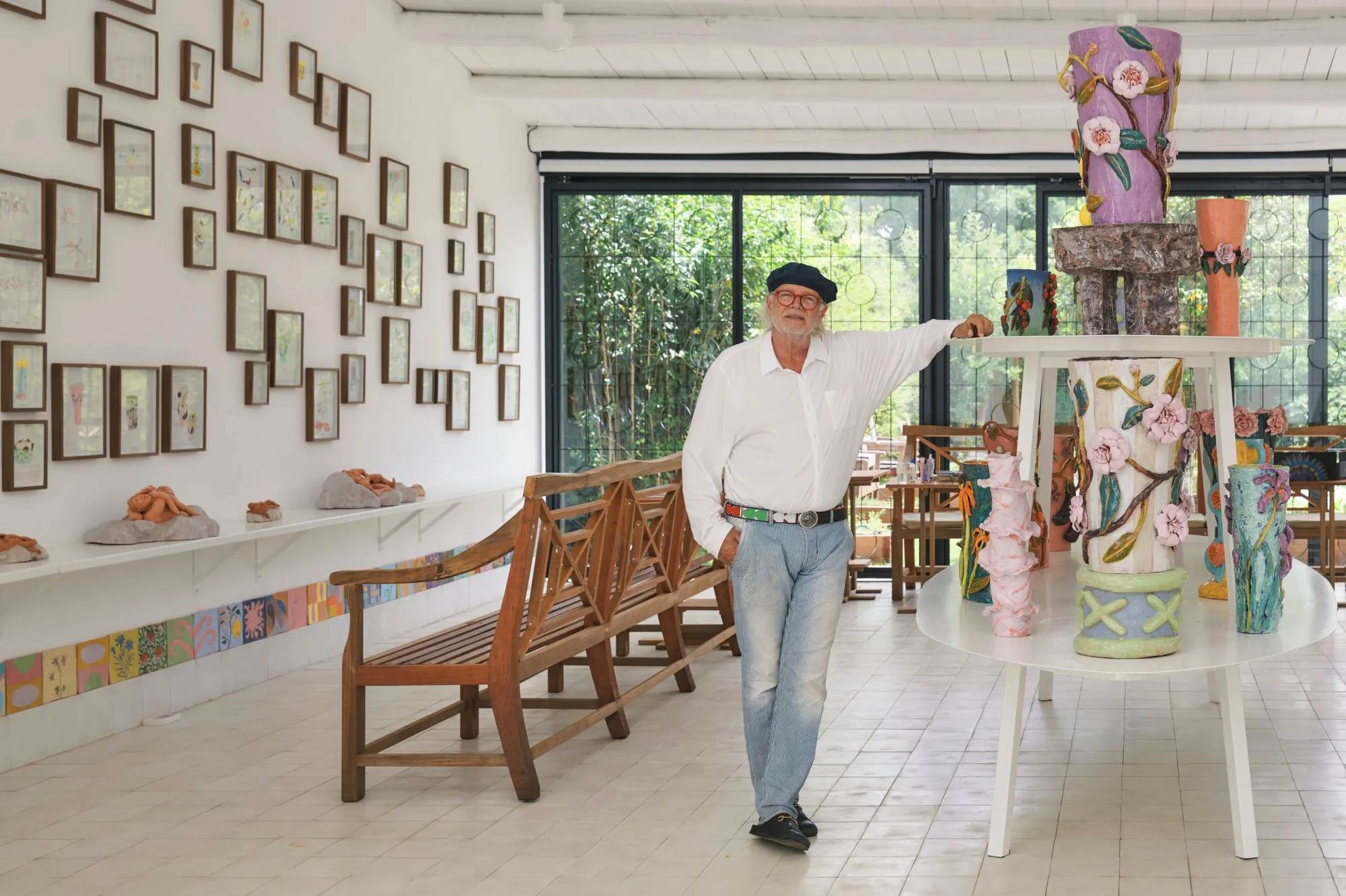
My favorite moment of the day was lunch at his restaurant in Garzón, while he told me stories from a life full of adventures. We enjoyed fish and delicious salads while touching on subjects like our inspirations for creating and the difficulty of balancing creation and social life. I discovered we share a passion for watching sunrises in nature, a love of silence and trees. In fact, he built his house around a century-old ceibo he fell in love with, which now stands in the middle of his garden.
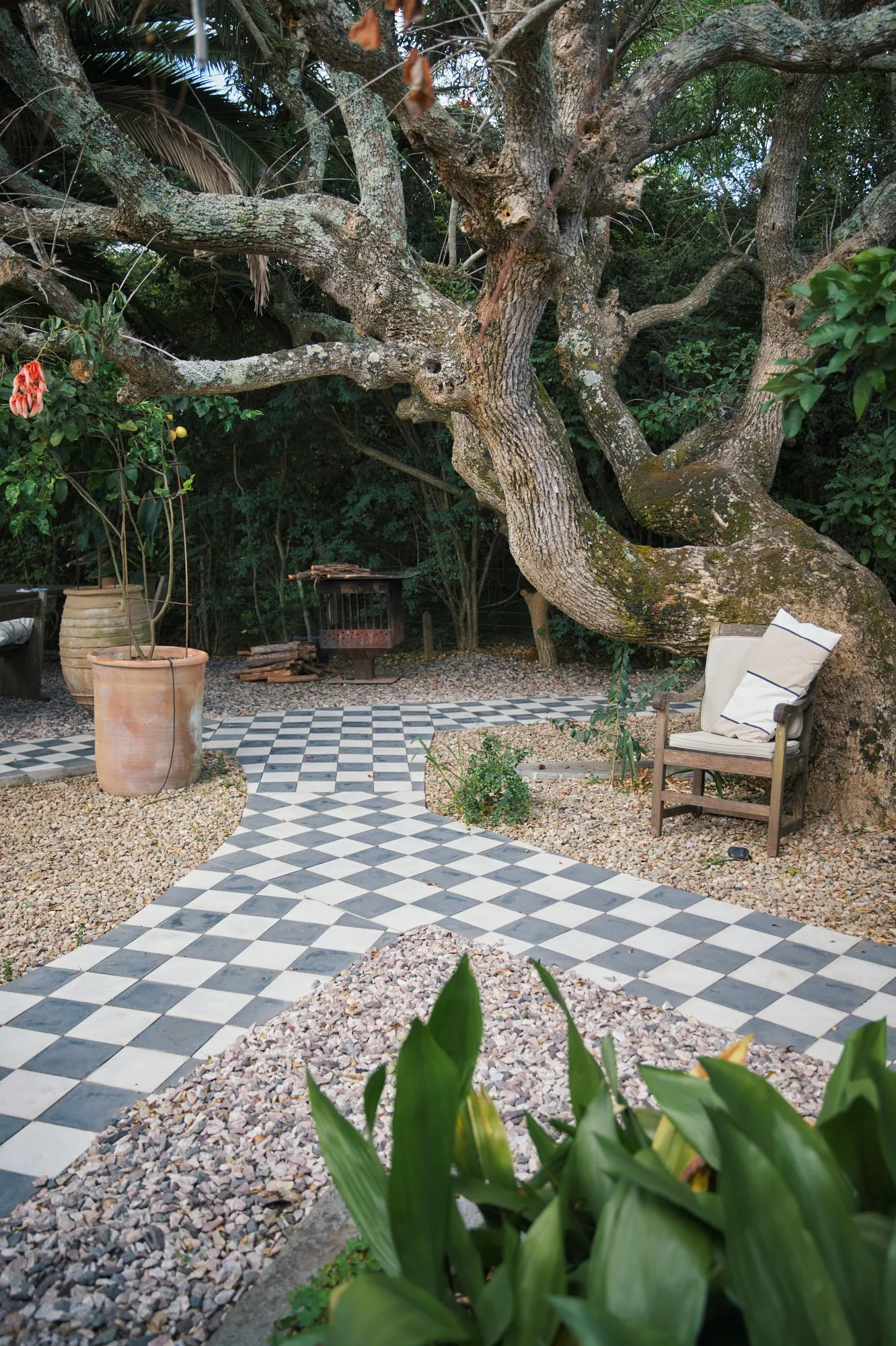
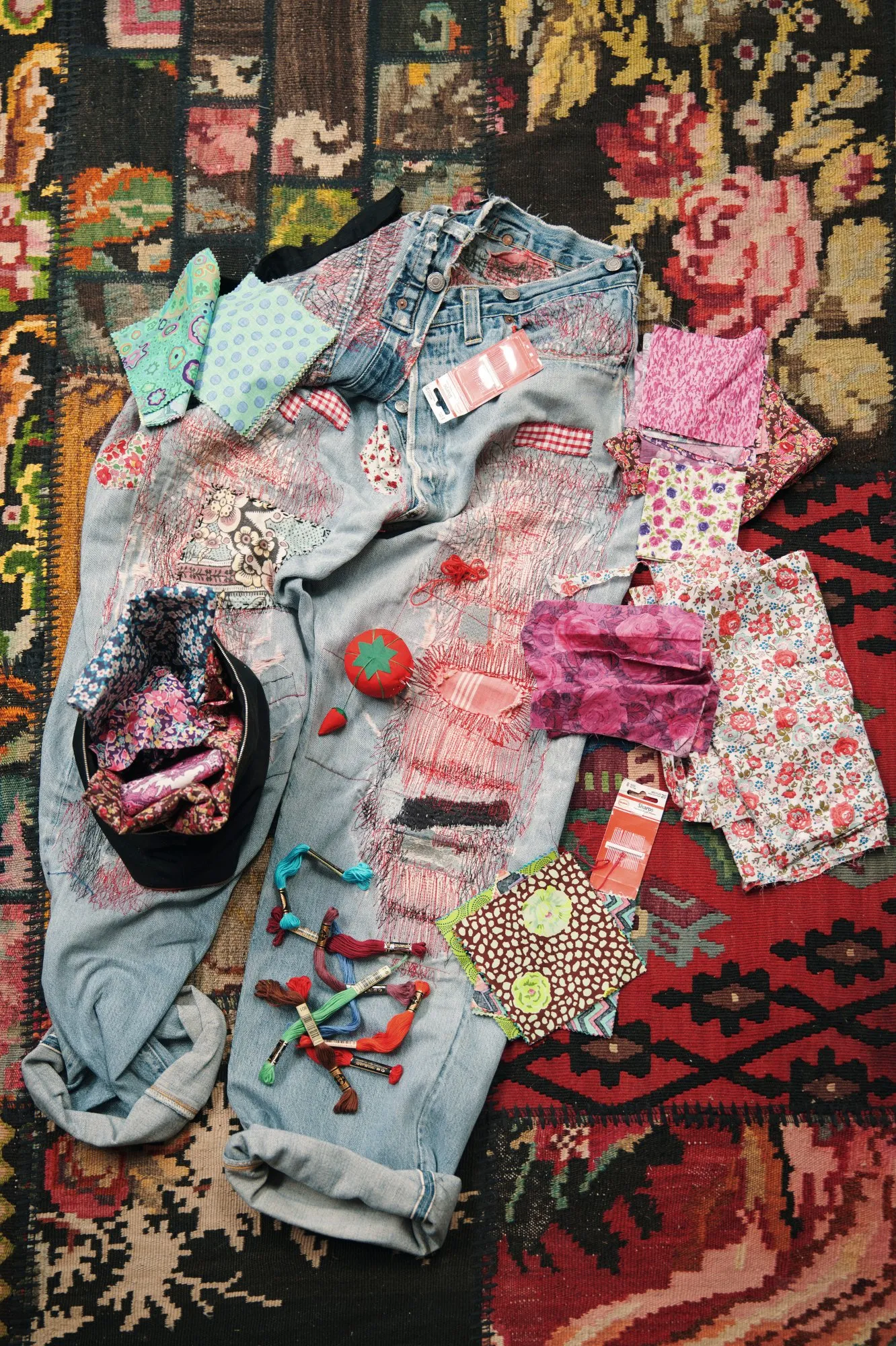
I didn’t know much about his life going in, so the stories kept surprising me: he left home at 13; he has 7 children ranging from 5 to 42 years old. It’s clear that in everything he does he lets intuition guide him, and creativity is the thread running through his life. Besides cooking marvelously, he also draws, embroiders his berets and his jeans, plays the guitar, and even took part in designing his home. Everything around him is touched by his style and his way of seeing the world, with care in every detail.
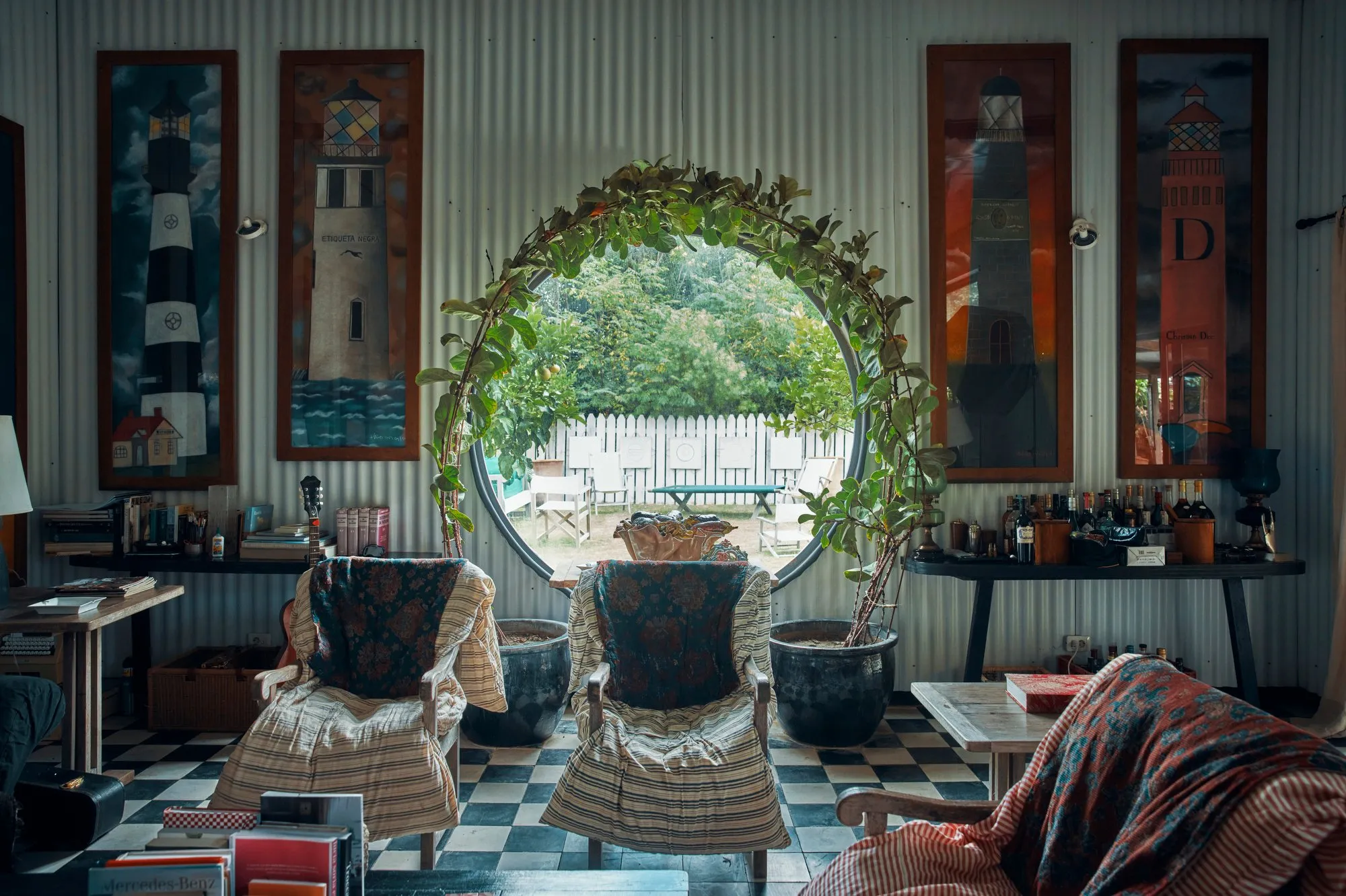
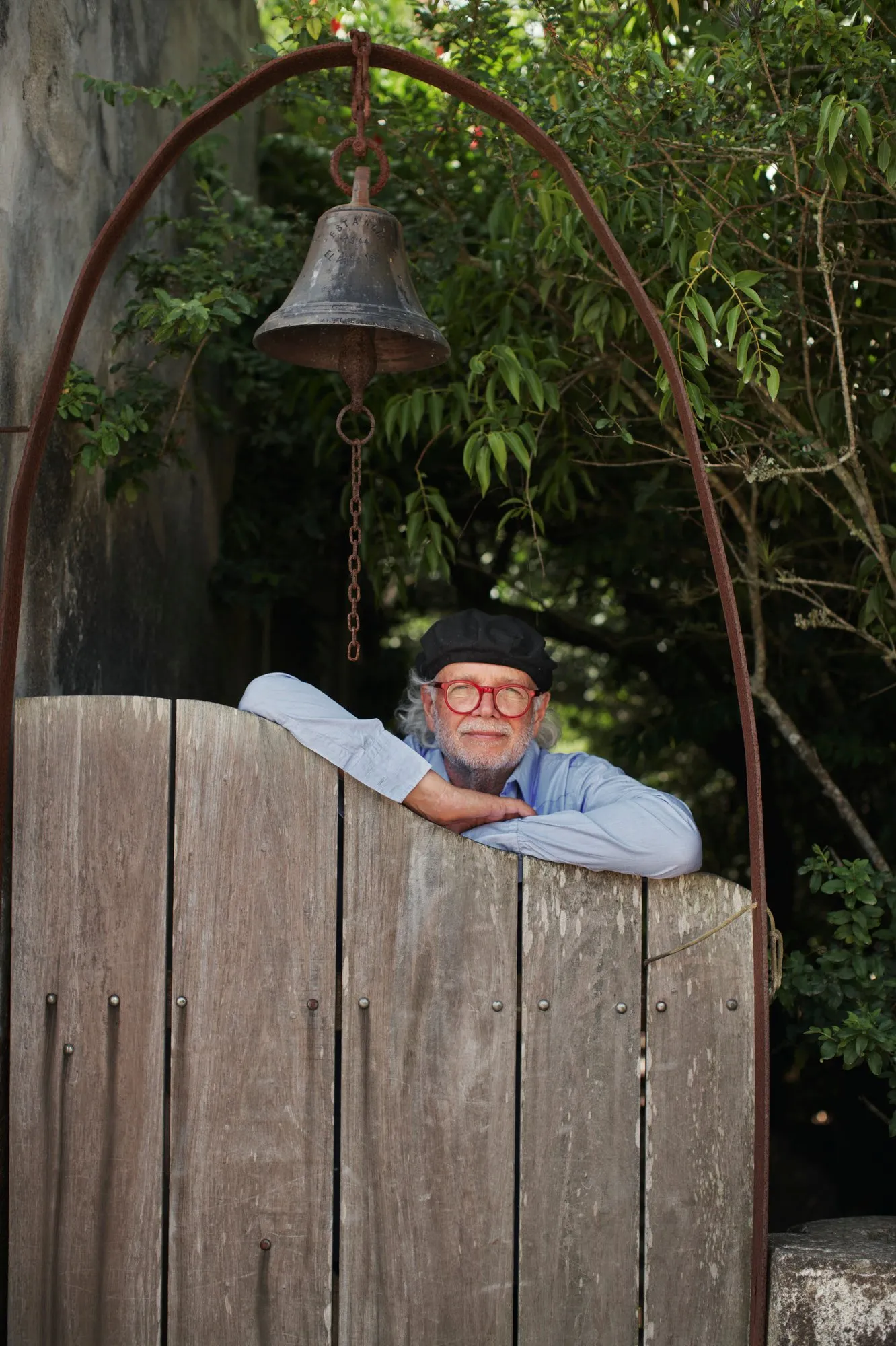
After lunch we continued with the portraits, exploring different corners of his house and poking into the stories of the objects that dress it. As we said goodbye he gave me one of his iconic berets, and I left the house grateful and inspired. On the way to the car I looked back and had to take the camera out again to capture that final portrait at the gate of his house in Garzón. The Financial Times didn’t select it, but for me it’s the loveliest memento of that encounter. I’m grateful for the transformative quality of the Alexander Technique and craniosacral practices, which allowed me to make photos that day from a place of connection and presence. And thank you also to @francismallmann and @fthtsi for the trust and the inspiration.
If you’d like to subscribe to my newsletter to receive short essays in your inbox, it’s here.