March 10, 2024
The adventure of the mirror
Reading time: 4 minutes
Composing a portrait means paying attention to two things happening at once: seeing and being seen. For me the most moving portraits are the ones that happen in an atmosphere of intimacy, where vulnerability becomes possible inside a deep connection between photographer and subject.
When other people photograph me, I used to get really nervous. I felt insecure. How is the person behind the camera perceiving me right now? What image of me will show up?
But something changes when I’m the one taking the photos. Both my anxiety and the anxiety of the person I’m portraying can get in the way, so creating a sense of calm and safety matters. Comfort is vital for capturing the most honest expressions, for letting what matters most come through. On top of all that I have to watch the light, the colors, the shapes, the background, making sure nothing unwanted sneaks into the frame. A lot to manage in very little time.
Over the years I built strategies for creating an intimate, safe space that invites trust, in a spirit of collaboration and co-creation. Here’s one example, where that complicity pushed us into an adventure that ended in an unexpected portrait.
In 2021, Gen Artes y Ciencias hired me to portray eight scientists and eight artists for a project called “Mirar la mente” (Looking at the Mind). The main brief: the images couldn’t give away the sitter’s occupation.
With photographing in the protagonists’ labs or studios ruled out, the adventure began with conversations to find out their interests and passions, and to imagine together the best setting for the images.
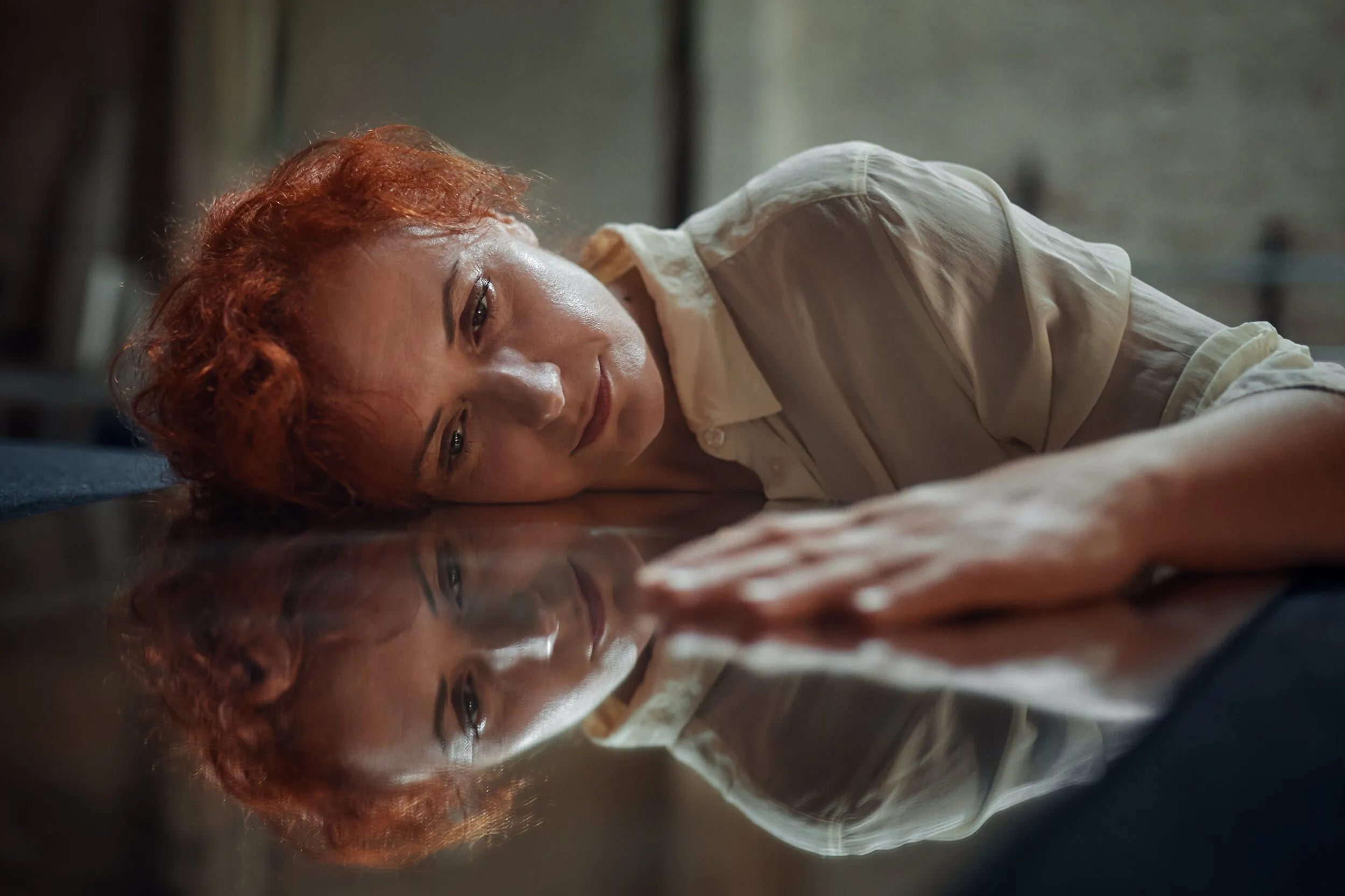
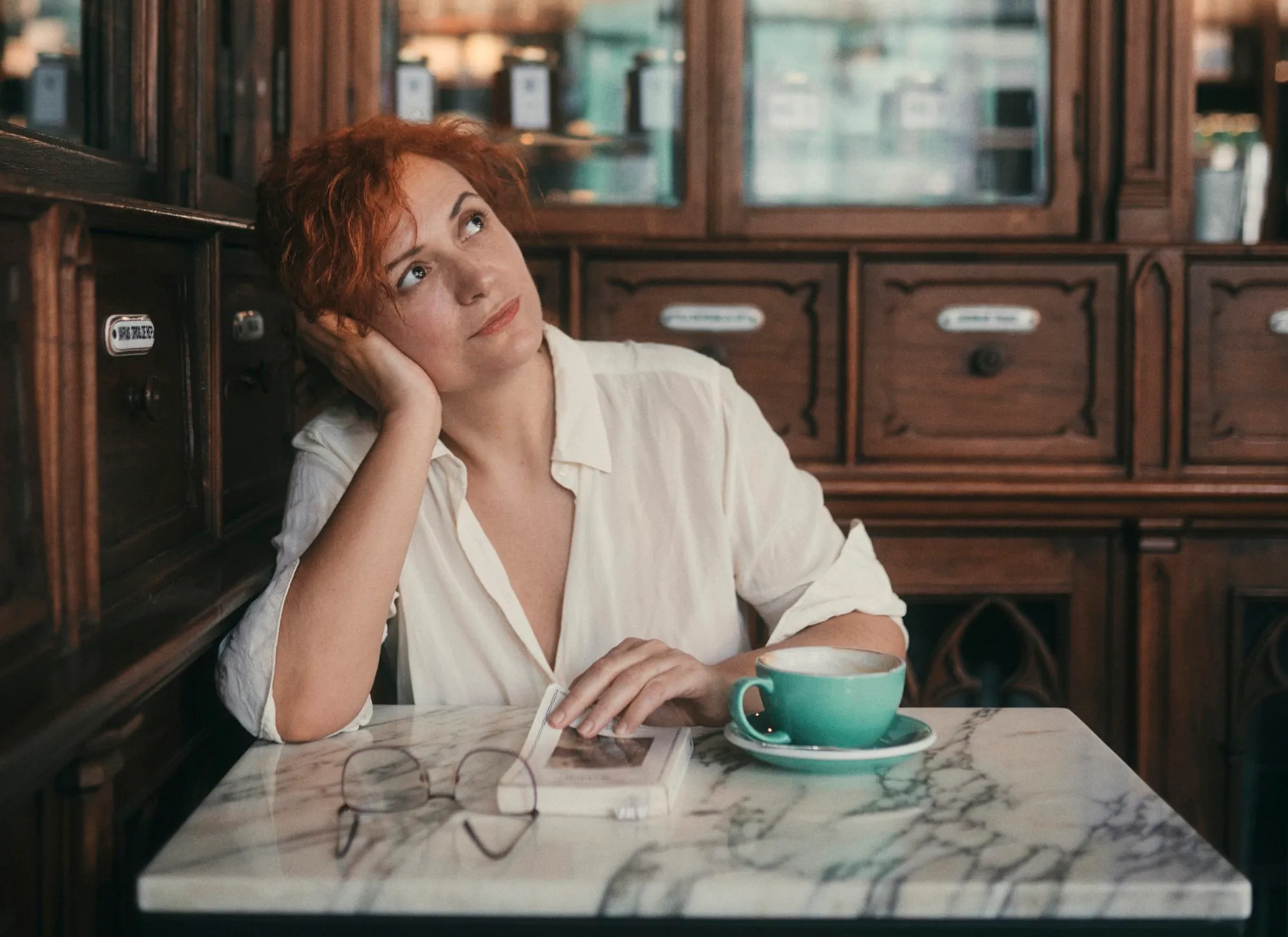
The unexpected portrait I mentioned was of the artist Rita Fischer. I’d always admired her creativity, and when I got to the café in the old town where we were meeting, I felt a little nervous. I wanted the image to reflect the sensibility she carries in her work, and I wasn’t sure I could pull it off. I took a couple of photos, and looking at them on the camera screen, we both agreed they looked too conventional. I tried different angles, even from outside the café, but we could tell we weren’t getting an original image in that setting. So we went for a walk with no direction and no expectations. Suddenly, out of nowhere, we ran into a glass workshop set up in a shed. Inside, particular beams of light came through a skylight in the roof and bounced off panes of glass and mirrors. We went in and asked the owner if we could take a few photos. To our surprise he not only said yes, he became an impromptu assistant, angling one of his mirrors to bounce in the light we were missing.
It was fascinating to feel what happens when interference shows up, and instead of treating it as an obstacle, you let curiosity change your plans. Giving ourselves over to play, stretching the limits of our imagination, we felt the fear and the discomfort but stepped into the unknown anyway. We let something new emerge from the connection between photographer, sitter and glazier.
Not better, not worse than what we’d imagined. Just new. That’s the power of the creative process.
You can read my earlier newsletters here