

October 12, 2024
How I learned to enjoy taking photos more
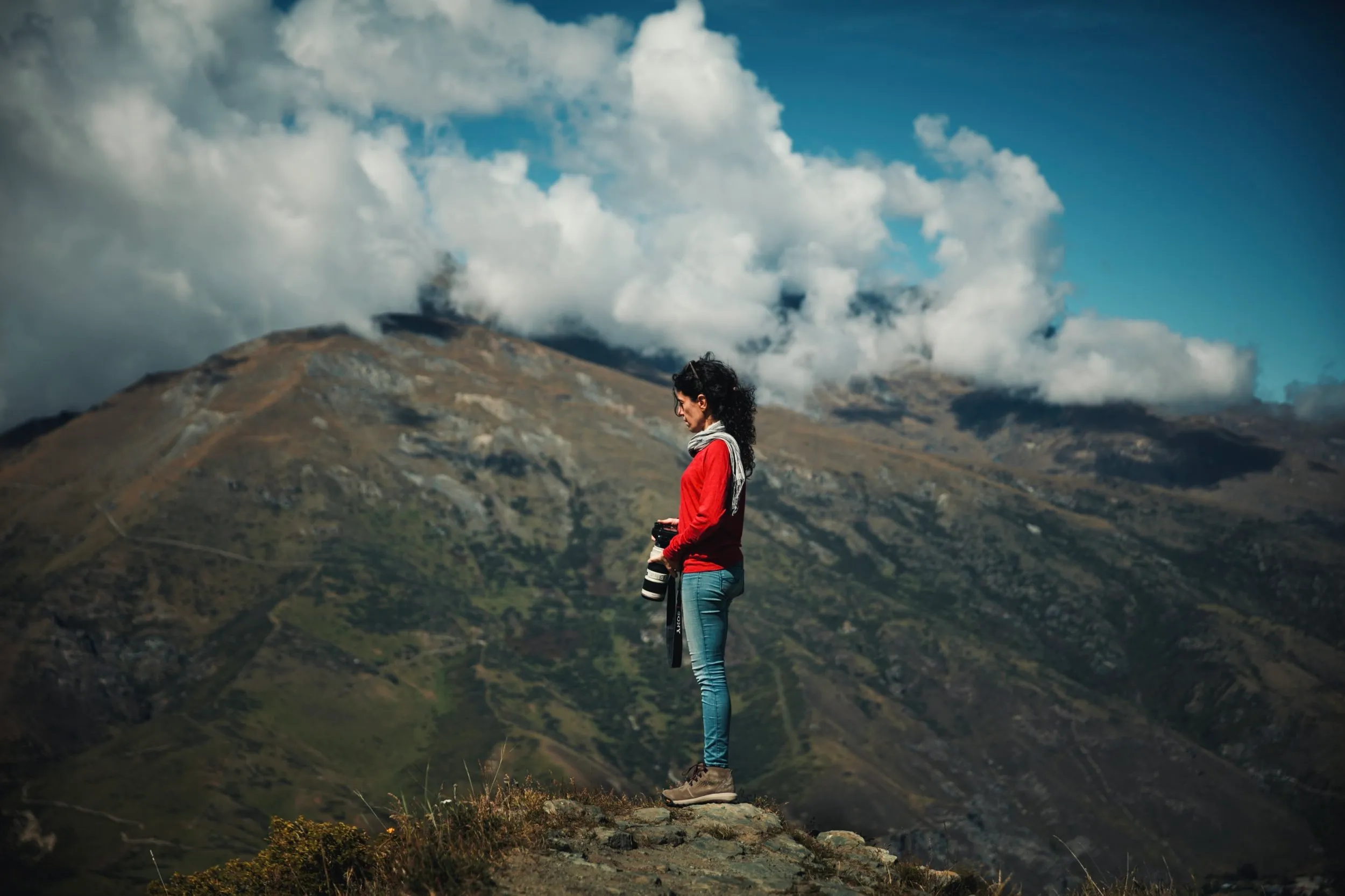
Over almost 20 years as a commercial photographer, I sharpened my technique and grew in a lot of ways. But one thing kept getting harder. On long shoots, by the end of the day I’d be exhausted, aching everywhere. I wondered: how could I feel like this just from pressing a button and framing a few images? It was a real mystery.
With everything I already knew about the Alexander Technique, I suspected I was doing something with my body-mind that led to that extreme fatigue. Maybe something similar happens to you after a day at the computer, or after cooking for a long while, or after some other everyday activity?
The mystery started clearing up when I began taking classes with Peter Nobes in England (Peter is coming to Uruguay in November to give workshops!). Working with him helped me notice I was slipping into a kind of “photo-taking mode.” I focused so hard on my goal, the image I wanted to make, that I disconnected from everything else. I wasn’t thinking, for instance, about how I was holding the camera, or the tension building in my body. Do I bring the camera to my eye, or my eye to the camera? Do I need to scrunch my face to close one eye, or can I do it gently?
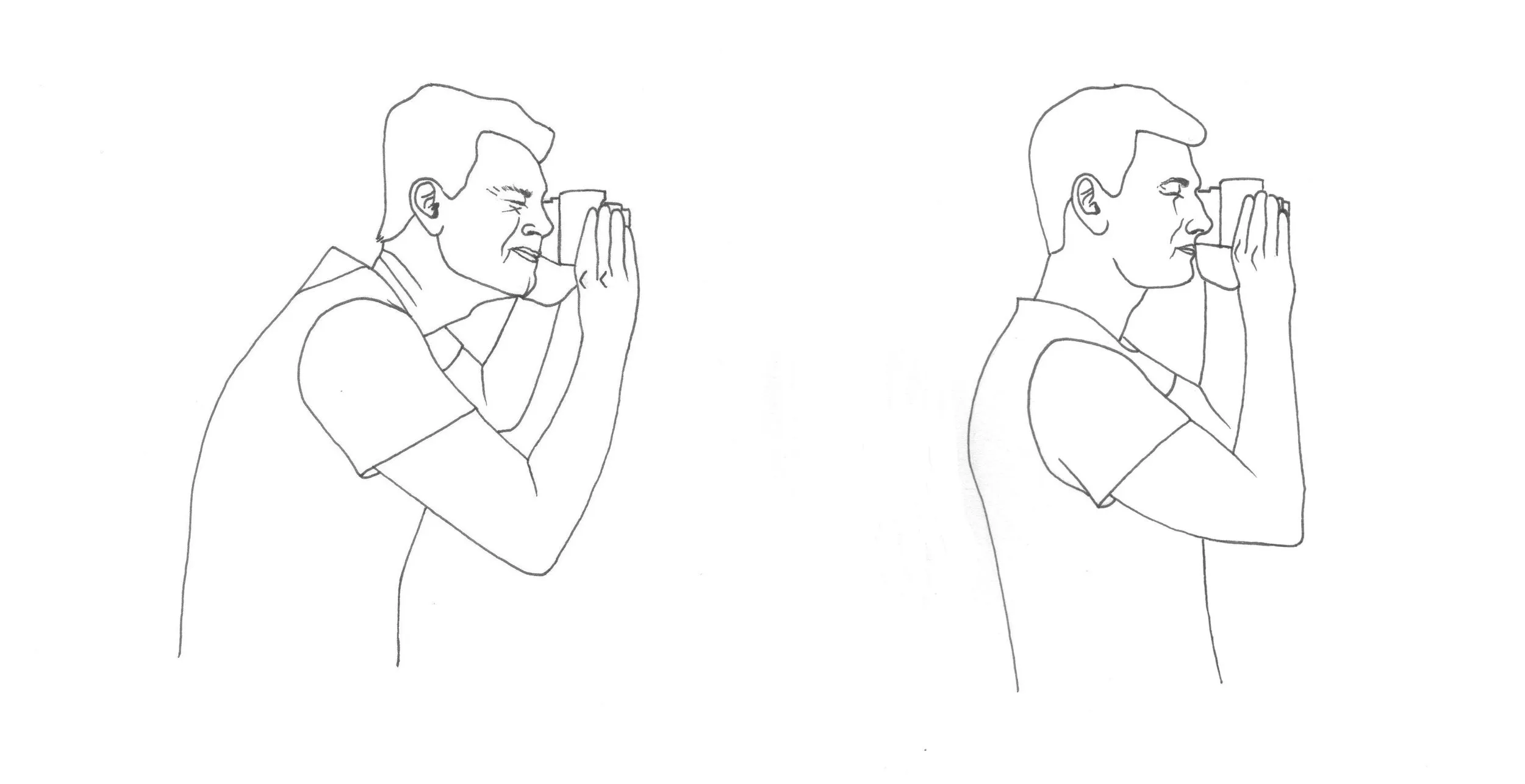 From Peter Nobes’s book: the relationship with the camera
My attention would narrow down to the image I wanted to make. Everything else disappeared from my awareness. I didn’t notice everything I was leaving out: my body, my surroundings, and sometimes, incredibly, even the person I was photographing!
The Alexander Technique showed me I could free myself from the unnecessary effort of staying upright. Using my body differently let me save energy, so I wasn’t wiped out after a day of shooting. But that’s not all. The most revealing part was learning I had choices about how I used my field of awareness. It hit me hard to realize how disconnected I sometimes was, lost in my own thoughts, and how that shaped my relationship with the world and with the person in front of my camera.
Peter calls his approach “Mindfulness in 3D”: being present, aware, in relation to our surroundings and our inner landscape at every moment. And that presence opens something essential: the possibility of choosing.
Now when I take photos, I can choose where my attention goes, and what qualities I want to tune into. I can connect more with my curiosity, the explorer in me, and less with the critical part that’s constantly judging whether I’m getting it right. Living this question taught me a lot: what influence does my attitude, my intention, have on the final image?
These questions gave me room to be available and spontaneous when I create. These days, after a full day of shooting, I don’t feel any fatigue. What matters most is that being in the here-and-now, the way Peter proposes, I enjoy the process and feel more creative and flexible meeting my clients’ briefs.
If you’d like to hear Peter and his approach in his own words, you can watch this short interview I did with him (Spanish subtitles):
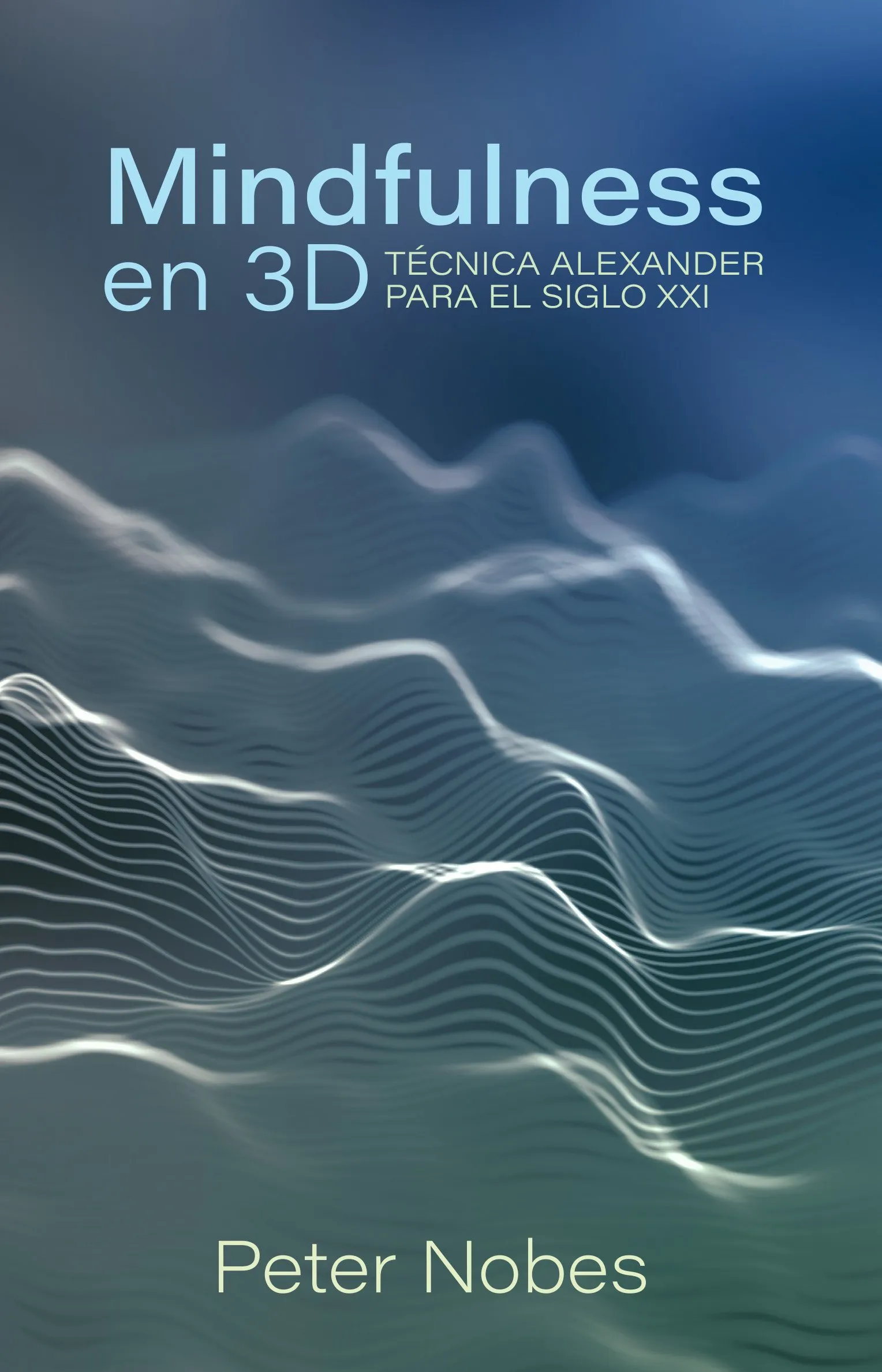
I also translated his book, Mindfulness in 3D: Alexander Technique for the 21st Century, into Spanish, and copies are for sale. Write here if you’d like one: hola.auta@gmail.com
Want to know more about Peter, or come to one of the workshops he’ll give in Uruguay? All the info is at this link: